

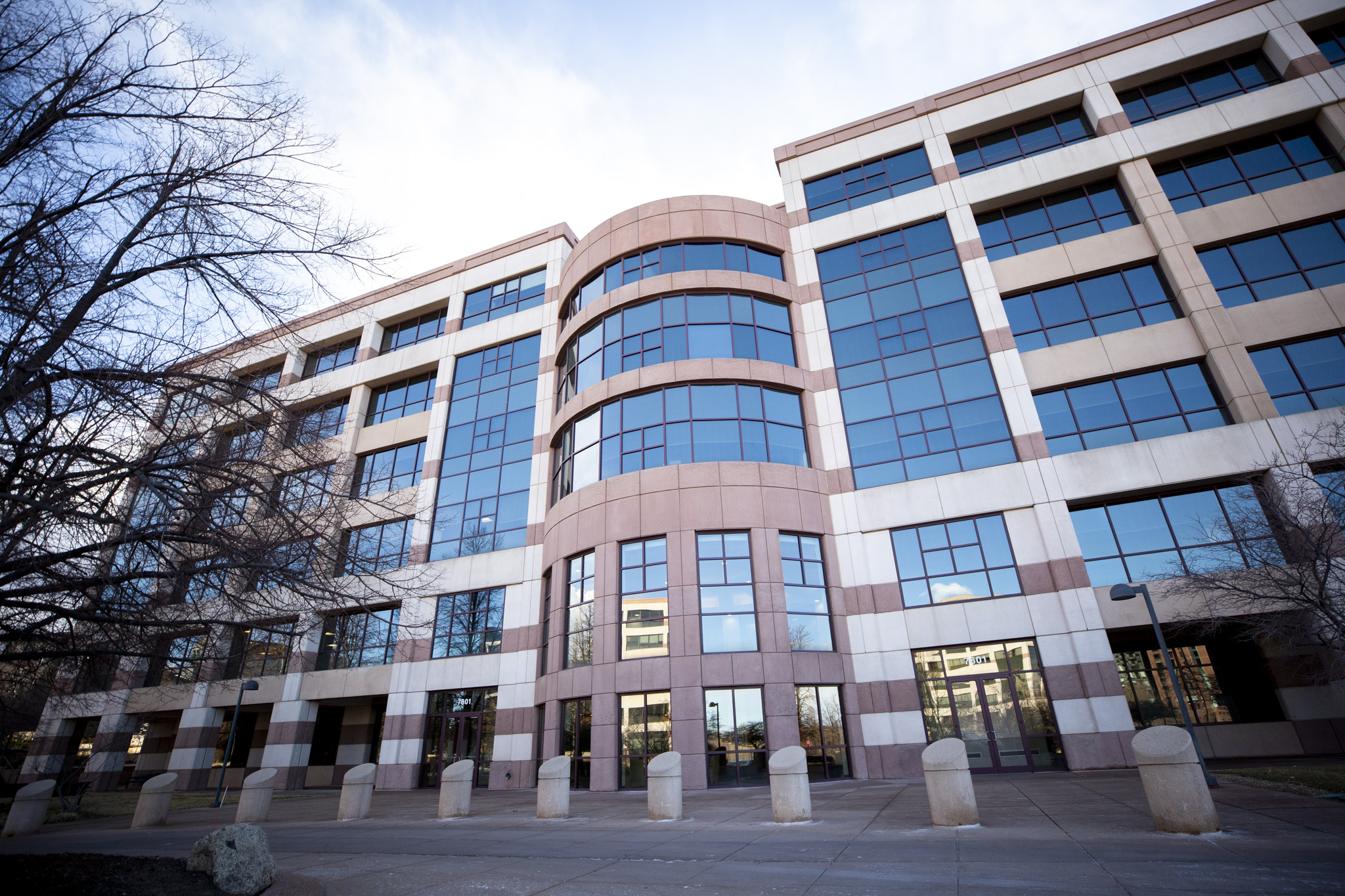
A six-floor office building in the Denver Tech Center could soon become a dramatic example of office-to-residential conversions transforming the city’s real estate market. Earlier this year, a developer filed paperwork to potentially demolish the 140,000-square-foot structure at 7601 Technology Way, replacing it with approximately 660 new rental units. The 30-year-old building, currently home to Zoom offices, sits among parking lots and roundabouts typical of the suburban office park.
This type of Denver Tech Center office demolition is likely to become more common as commercial buildings sit empty and lose value across the metro area. Not far away, the former headquarters of Arrow Electronics was torn down just 24 years after construction, also to make way for housing development.
Why Office Building Demolitions Are Increasing
According to Jessica Ostermick, senior managing director for CBRE in Colorado, more property owners will likely demolish office buildings in coming months and years. This trend could affect everything from suburban office parks to empty skyscrapers in downtown Denver.
However, financial viability remains the primary consideration for property owners. “I am all for every creative solution that we can find to sustainably reuse property, find different uses for them, but at the end of the day, it has to pencil,” Ostermick said in a recent interview.
She added that when subsidies from local governments aren’t sufficient to fund conversion projects, demolition becomes a necessary option. “We can’t be afraid of using the ‘demolition’ word,” she continued.
Denver’s Struggling Office Market
Demand for office space dropped dramatically in Denver in 2020, and the market has struggled to recover. According to CBRE data, nearly 30% of office space was vacant around the city at the end of 2025. Downtown Denver experienced even more severe impacts, with approximately 38% of space sitting empty.
Additionally, the value of office buildings has dropped significantly, leaving many property owners in serious financial trouble. These lower price points have created opportunities for major redevelopment projects, though conversion isn’t always feasible.
Modern office buildings pose particular challenges for conversion to residential use. These structures typically feature sprawling floor plates and non-opening windows, making residential conversion extremely expensive compared to demolition and new construction.
Denver Lags Behind Other Markets
Meanwhile, Denver’s office market has recovered slower than many other major cities. The U.S. office market as a whole began rebounding in early 2024, posting positive net absorption, but Denver didn’t achieve this milestone until the final quarter of 2025.
In contrast, cities like New York, San Francisco, Seattle, and Dallas have seen companies seeking large office spaces, driven largely by the AI boom. “Some of these other really leading tech markets, they have already seen a huge uptick in demand,” Ostermick explained. “And that’s what Denver’s waiting for.”
Nevertheless, Ostermick remains optimistic about future vacancy rate improvements. She believes the headline 40% vacancy rate doesn’t accurately reflect the market’s true health, as some buildings perform significantly better than others.
Geographic and Building Disparities
Certain areas face particularly severe challenges, with Uptown office space showing nearly 45% vacancy. The most troubled buildings struggle to attract tenants because they cannot fund tenant improvements and represent riskier bets for businesses.
Conversely, areas like Cherry Creek are seeing increased office interest. Newer, higher-quality buildings maintain lower vacancy rates and have preserved higher rental prices, while older, less desirable properties may experience price drops.
Current office owners may benefit from one significant factor: virtually no new office construction is occurring in Denver right now. Instead of building new commercial space, developers are increasingly demolishing existing office buildings to make way for residential projects.
The timeline for the Technology Way demolition and residential development remains uncertain, as authorities have not confirmed specific construction dates. The project’s progression will likely depend on final approvals and market conditions in the coming months.