

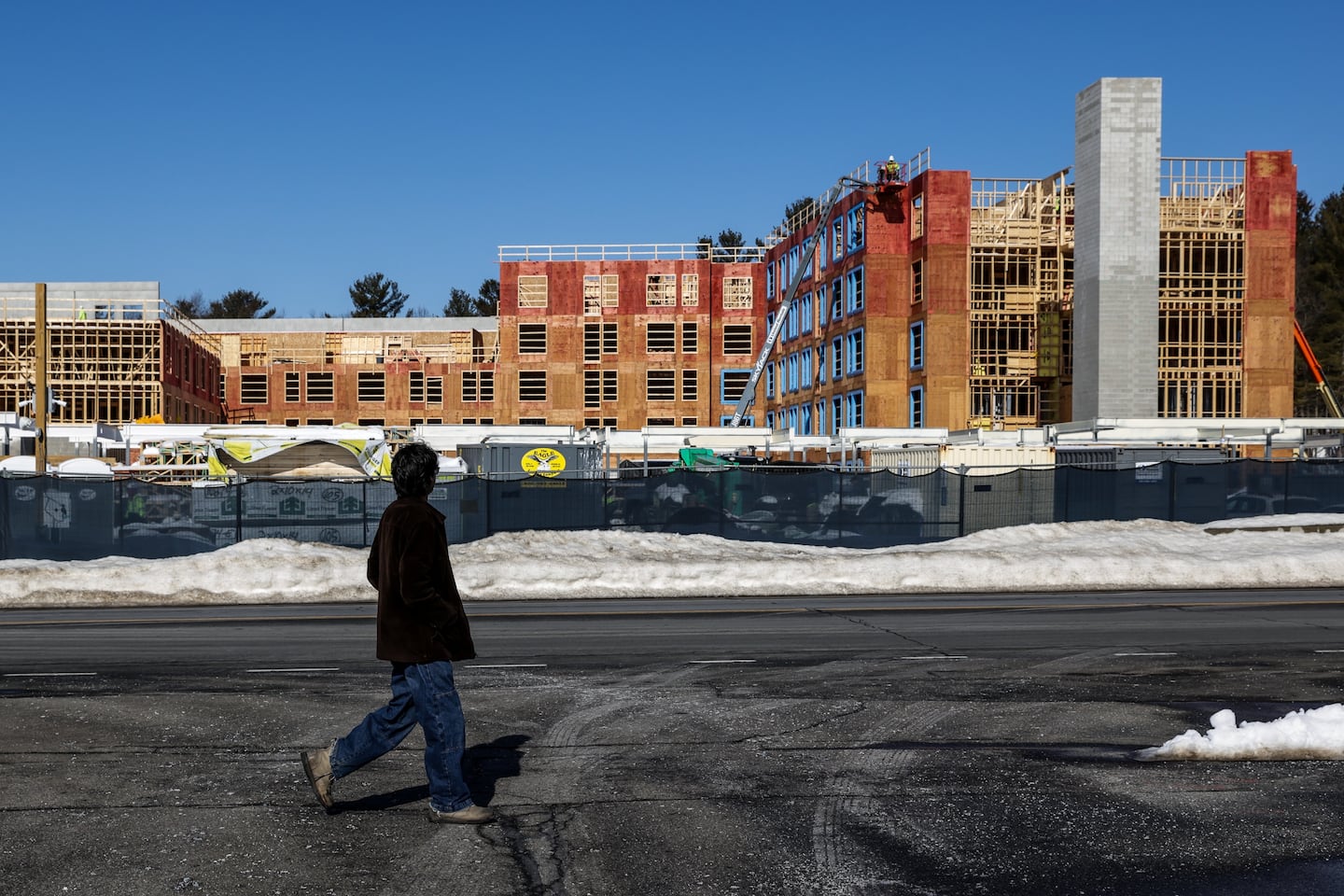
Lexington, Massachusetts, is preparing to add approximately 1,600 new apartments and condominiums in the coming years, transforming this affluent community of 35,000 residents into the state’s unexpected housing boomtown. The dramatic shift follows the town’s 2023 adoption of ambitious zoning changes under Massachusetts’ MBTA Communities Act, which made Lexington the first municipality to comply with the controversial state housing law.
The surge in multifamily housing development represents a stark departure for a town that approved only two multifamily units in the previous decade. However, the rapid pace of growth has sparked significant backlash among residents, leading town officials to dramatically scale back the original zoning plan in 2024.
Understanding the MBTA Communities Housing Plan
In spring 2023, Lexington officials rezoned 227 acres to allow buildings up to six stories tall with minimal density restrictions. According to planning director Abigail McCabe, the town initially estimated the plan would generate between 400 and 800 new units over a decade. Town Meeting approved the measure with more than 60 percent support.
The rezoning focused on key areas including Lexington Center and older office buildings near Route 128. The plan drew national attention, with climate activist and Lexington resident Bill McKibben praising the town in The New Yorker as leading “a way out of the housing crisis.” Governor Maura Healey personally congratulated the community on its progressive stance.
Developer Response Exceeds Expectations
The market reaction to Lexington’s new zoning far surpassed official projections. Developers quickly submitted proposals for underused parking lots and commercial properties, taking advantage of streamlined approval processes. The town, where median single-family home prices reached $1.8 million last year, suddenly became highly attractive for multifamily development.
Meanwhile, McCabe acknowledged the unexpected speed of market response. More than 1,600 units are now under construction, approved, or seeking approval—double the highest initial estimates. Projects range from a 25-unit conversion of commercial buildings on Bedford Street to a nearly 300-unit development replacing an office park.
Community Concerns Mount
Residents began expressing concerns as actual projects materialized. Additionally, worries emerged about school capacity, traffic congestion, and infrastructure strain. The debate intensified during discussions over a $660 million new high school, with some questioning whether the facility would accommodate population growth from new housing developments.
The 89 Bedford Street condominium project particularly alarmed neighbors who feared impacts on neighborhood character and flooding issues. However, under the permissive zoning rules, residents had limited recourse to oppose the development. Units in the project are priced starting at $1.2 million, raising questions about affordability.
Lexington Housing Zoning Rollback
In 2024, Town Meeting member Lin Jensen led an effort to substantially reduce the MBTA Communities zone. The rollback measure shrunk the designated area from 227 acres to 90 acres while tightening density and height limits. Town Meeting approved the changes overwhelmingly, voting 164-9 with five abstentions.
Jensen stated that residents felt the growth was unplanned and that they lacked input in approval processes. Interestingly, former state Housing Secretary Mike Kennealy, now a Republican gubernatorial candidate, reversed his earlier support for the law and now criticizes the Healey administration’s enforcement of MBTA Communities guidelines he helped develop.
Generational Divide on Development
Not all residents oppose the housing boom. Kunal Botla, a 20-year-old Town Meeting member, argues that new housing creates opportunities for young people to remain in their hometown. The Tufts University student, who recently ran unsuccessfully for Planning Board, sees potential benefits including increased foot traffic for Lexington Center businesses.
In contrast, Planning Board member Tina McBride, who supported the rollback, emphasized the need for balanced growth. She stated that while Lexington should contribute to solving the state’s housing crisis, there are limits to how much development the community can absorb responsibly.
The extent to which the 2024 zoning rollback will slow future housing development in Lexington remains unclear. Projects already in the approval pipeline will likely proceed, though the reduced zoning area may limit new proposals going forward. State officials have not indicated whether they will challenge the rollback or consider it compliant with MBTA Communities Act requirements.