

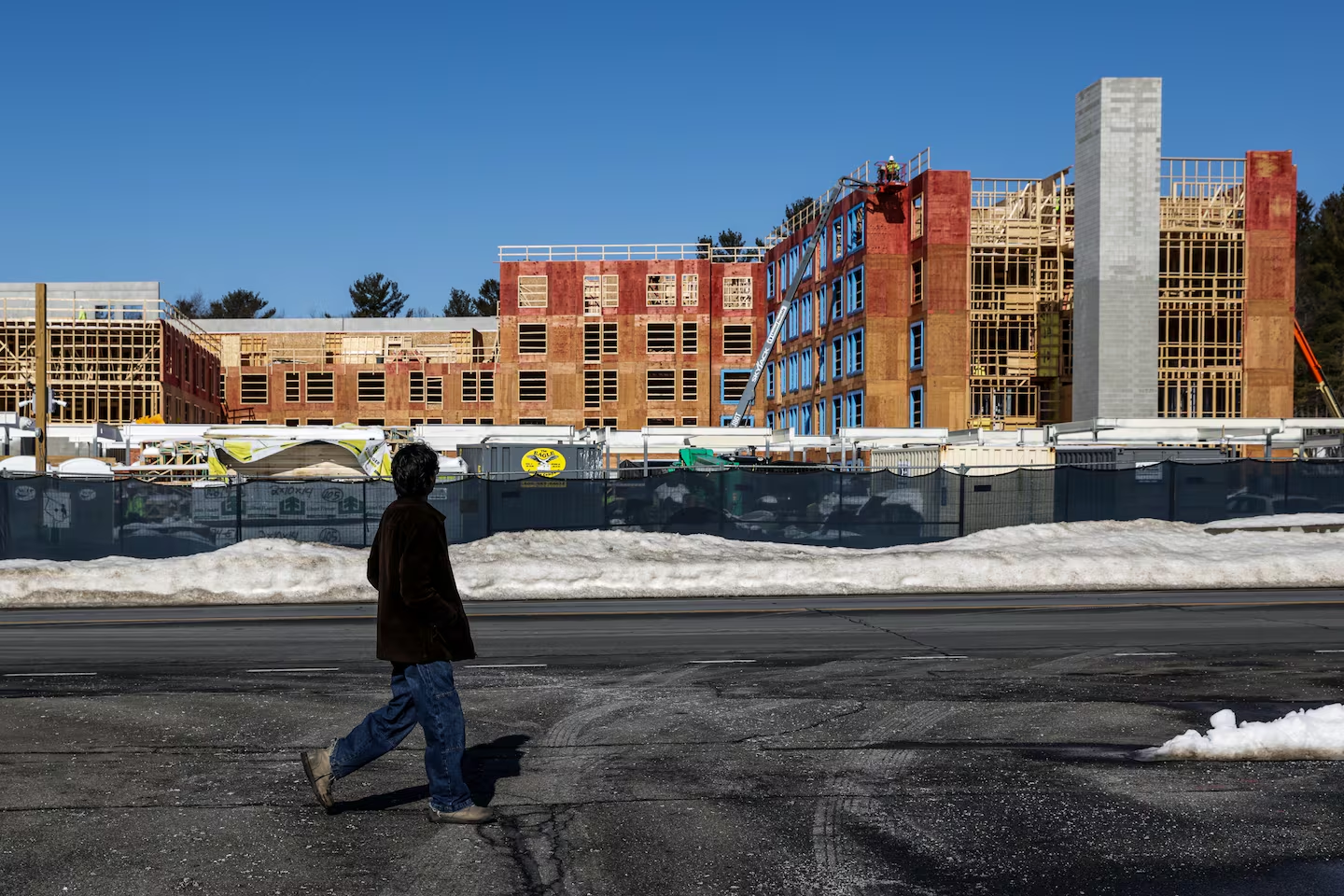
Lexington, Massachusetts, is preparing to transform from a quiet suburb into the state’s newest housing boomtown, with approximately 1,600 new apartments and condominiums set to be added in the coming years. The dramatic surge in residential development represents a stark departure for this affluent community of 35,000 residents, which had built little multifamily housing in decades before implementing new zoning rules under the MBTA Communities Act in 2023.
According to planning director Abigail McCabe, the market reacted much faster than anticipated to the new zoning regulations. All the new housing units are the result of Lexington becoming the first municipality to pass compliant zoning under the state law, which allows tall, dense buildings in designated areas of town.
MBTA Communities Act Drives Housing Development
The stage was set in spring 2023 when Lexington officials rezoned 227 acres, including parts of Lexington Center and older office buildings near Route 128. The plan allowed building heights up to six stories with few restrictions on density, initially projected to generate between 400 and 800 new units over a decade.
Town Meeting passed the plan with more than 60 percent support. Then-state Housing and Economic Development Secretary Mike Kennealy, a Lexington resident, praised the move as an opportunity for the community to lead on addressing Massachusetts housing challenges.
However, developers responded with far more proposals than anticipated. More than 1,600 units are now under construction, approved, or in the approval process in Lexington, all in multifamily buildings. In contrast, the town had approved just two multifamily units in the entire previous decade.
Community Concerns Prompt Zoning Rollback
The reality of rapid growth has proven complicated for many residents. Concerns emerged about overstuffed schools, strained roads, and the impact on the town’s treasured historic district, according to residents and officials.
Additionally, specific projects sparked alarm among neighbors. When a condominium development at 89 Bedford Street went before the planning board, residents feared it would disturb neighborhood character and exacerbate flooding issues. Meanwhile, the new zoning rules offered limited avenues for community input on such projects.
The influx of new apartments also fueled debate over a proposed $660 million high school project, with some residents worried the facility would not accommodate all the newcomers. Voters ultimately approved the school plan in December, according to reports.
Other concerns centered on infrastructure capacity and affordability. The cheapest condominium at 89 Bedford Street is listed at $1.2 million, raising questions about who can actually afford the new housing units.
Town Reverses Course on Housing Policy
In response to resident concerns, Town Meeting member Lin Jensen helped lead an effort to roll back the zoning plan last year. The revision reduced the MBTA Communities zone from 227 acres to 90 acres and imposed tighter density and height limits.
Town Meeting approved the rollback by an overwhelming margin of 164-9 with five abstentions. Planning Board member Tina McBride, who helped lead the effort, said there is such a thing as too much growth, even while supporting Lexington playing its part in solving the housing crisis.
In contrast, some residents view the housing development positively. Twenty-year-old Town Meeting member Kunal Botla, who also recently ran unsuccessfully for Planning Board, sees the new units as creating opportunities for young people to remain in town.
Botla argued that measured growth could benefit areas like Lexington Center while providing affordable housing options. He said new development is important so people like him can live in town and contribute to the community.
Political Fallout from Lexington Housing Debate
The controversy has even affected state politics. Kennealy, now a Republican candidate for governor, has reversed his position on the MBTA Communities Act and is criticizing Governor Maura Healey’s enforcement of the guidelines he helped write while in the Baker administration.
Meanwhile, Jensen won election to the Planning Board this week, suggesting voter support for slower, more controlled development. Long-time resident Alan Levine observed that Lexington is changing quickly, with development happening throughout the community.
The zoning rollback means future housing projects will face more stringent requirements and review processes. However, the 1,600 units already approved or under construction will proceed, fundamentally reshaping this historically low-density suburb over the next several years.