

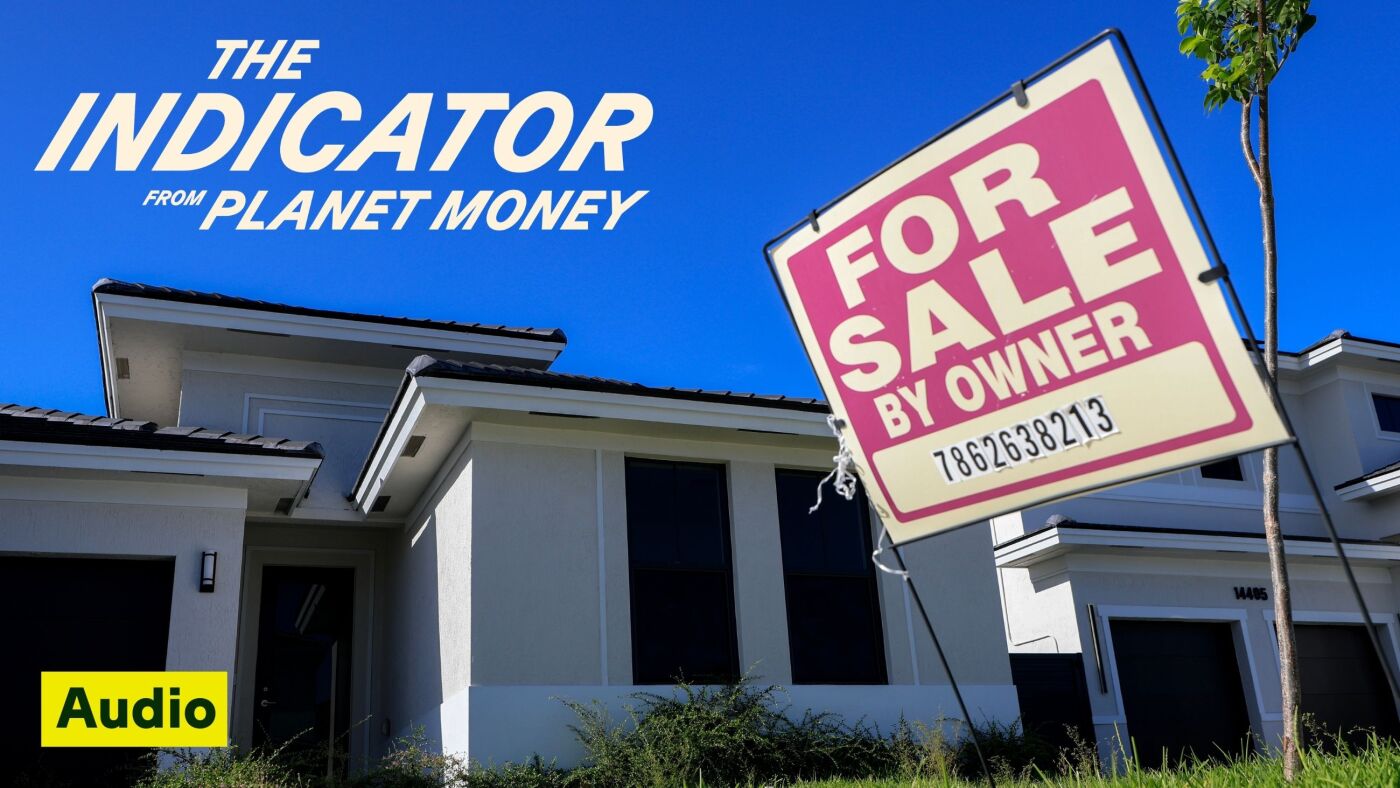
Homebuyers seeking relief from today’s elevated mortgage rates are discovering an alternative path to securing the low interest rates of 2021 through assumable mortgages. This financing strategy allows purchasers to take over a seller’s existing home loan along with its original interest rate, potentially saving thousands of dollars annually compared to current market rates. While assumable mortgages offer significant savings opportunities, they come with substantial requirements including lengthy processing times and considerable upfront cash needs.
The concept involves a buyer stepping into the seller’s shoes and assuming responsibility for their existing mortgage contract. According to financial experts, this arrangement preserves the original loan terms, including interest rates that may be several percentage points lower than what lenders currently offer.
Understanding How Assumable Mortgages Work
Not all home loans qualify for assumption. The majority of assumable mortgages are government-backed loans, including FHA, VA, and USDA mortgages, which contain provisions allowing qualified buyers to take over the debt. Conventional loans from private lenders typically lack this feature, though some exceptions exist.
When a buyer assumes a mortgage, they must pay the difference between the home’s purchase price and the remaining loan balance in cash or through secondary financing. For example, if a home sells for $400,000 with a remaining mortgage balance of $250,000, the buyer needs $150,000 upfront.
Cash Requirements Present Major Hurdle
The substantial down payment requirement represents the primary obstacle for most prospective buyers considering assumable mortgages. Additionally, buyers must still qualify for the loan by meeting the lender’s credit and income standards, similar to applying for a new mortgage.
Processing times for assumable mortgages extend significantly beyond traditional home loans. Lenders report that approval processes can take several months, creating uncertainty in competitive housing markets where sellers often prefer quick closings.
Interest Rate Environment Drives Assumable Mortgage Interest
The appeal of assumable mortgages has surged as mortgage rates remain elevated compared to the historically low rates available between 2020 and 2022. Many homeowners secured rates below 3% during that period, while current borrowers face rates more than double that level.
However, the same low rates that make assumptions attractive also contribute to limited housing inventory. Homeowners with favorable mortgage terms often choose to remain in their current properties rather than sell and finance a new purchase at higher rates, a phenomenon economists call the “lock-in effect.”
Finding Assumable Loan Opportunities
Identifying homes with assumable mortgages requires additional research beyond standard property searches. Real estate listings don’t always advertise assumable loans prominently, and buyers may need to specifically inquire about financing details with sellers or their agents.
Some online platforms and real estate websites have begun adding filters for assumable mortgages, making it easier for buyers to locate these opportunities. Nevertheless, the pool of available properties remains relatively small compared to the overall housing market.
Weighing Benefits Against Complications
For buyers with sufficient cash reserves, assumable mortgages can generate substantial long-term savings through reduced interest payments. The difference between a 3% rate and a 7% rate on a $300,000 loan amounts to hundreds of dollars monthly and tens of thousands over the loan’s lifetime.
In contrast, the complexity and extended timelines associated with assumable mortgages may deter buyers who need to move quickly or lack substantial liquid assets. Financial advisors suggest carefully calculating total costs, including any secondary financing needed to cover the gap between the assumed loan and purchase price.
The future availability of assumable mortgage opportunities will likely depend on broader interest rate trends and whether the Federal Reserve continues adjusting monetary policy. Market observers have not confirmed specific timelines for potential rate changes that could affect buyer strategies in the coming months.