

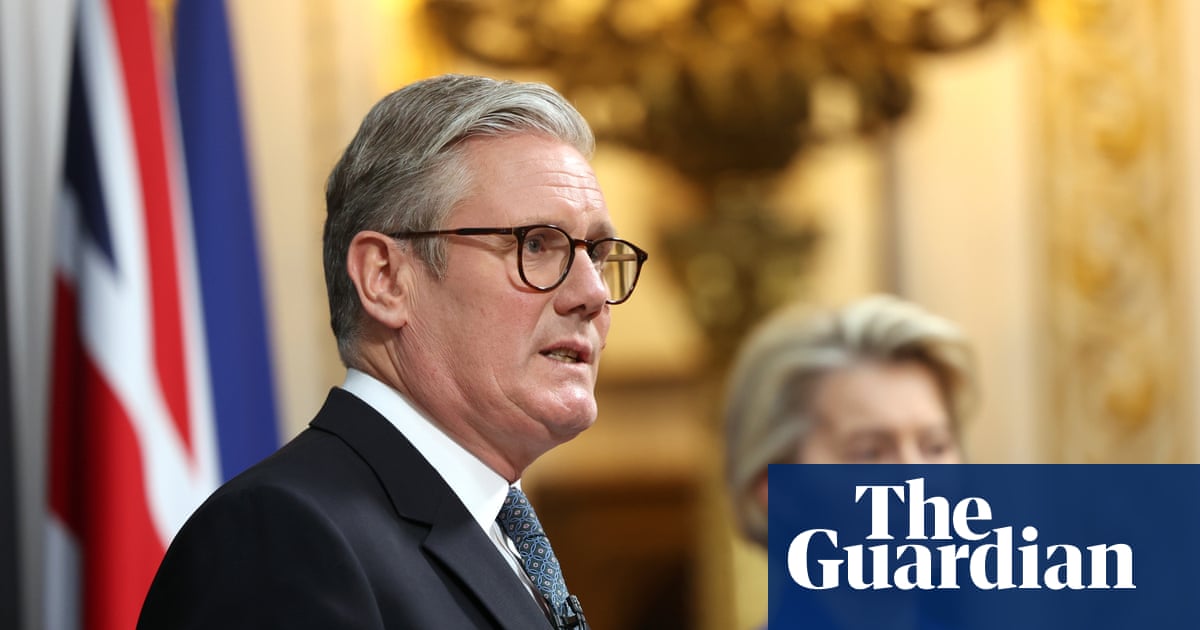
A parliamentary committee has criticized the UK government’s approach to resetting relations with the European Union, concluding that efforts lack clear strategic direction and measurable goals. The foreign affairs committee published its assessment on Wednesday, finding that while last year’s Lancaster House summit improved the overall political relationship, the UK-EU reset has failed to deliver concrete progress in key areas. According to the report, the government has not established timelines, milestones or priorities for the negotiations.
Emily Thornberry, the Labour MP who chairs the committee, said the reset is “languishing” and suffering from insufficient drive and definition. The report is based on months of expert witness testimony examining the state of UK-EU relations since the May 2024 bilateral summit.
Limited Progress Since Historic Summit
Last May’s meeting between UK and EU leaders was described as a historic moment in post-Brexit relations. The summit resulted in a formal agreement to improve the Brexit deal negotiated by Boris Johnson’s government, with stated goals including a youth mobility scheme, rejoining the Erasmus student programme and an agriculture agreement to reduce barriers for food exporters.
However, according to the committee, only an Erasmus deal has been announced so far. Several key areas remain off the negotiating table, including regulation of chemicals, conformity of standards, mutual recognition of professional qualifications and concessions for touring musicians.
EU Demands Complicate Negotiations
The report indicates that progress on the UK-EU reset has been hindered by the European Union introducing new demands not mentioned at the original summit. The EU has recently requested a financial contribution to support economic development in lower-income member states, the committee found.
Additionally, the committee criticized what it described as an “exorbitant” €2 billion price tag for UK participation in the first round of the EU’s €150 billion Security Action for Europe defence procurement initiative. These unexpected demands have contributed to what the report characterizes as an imbalance in negotiations favoring EU priorities.
Strategic Vision Needed for UK-EU Reset
The foreign affairs committee concluded that without a clear structure and vision with specific goals, the government risks repeating mistakes when entering the second set of negotiations. A second bilateral summit is scheduled for early July, according to the report.
Meanwhile, the committee welcomed progress on UK-EU security and defence partnerships. The report urged both sides and individual member states to accelerate cooperation in this area, particularly regarding support for Ukraine.
Ukraine Support Under Discussion
The UK is reportedly in talks over a deal concerning a second potential fund to assist Ukraine with military equipment and budgetary support for public services. The €90 billion fund would be based on loans raised through the EU’s AAA credit rating, with repayment expected from Russia through reparations or frozen assets.
According to reports, the UK is prepared to contribute several hundred million pounds toward loan interest payments. In exchange, British firms would receive arms contracts as part of the arrangement.
Call for Transparency and Ambition
The committee’s report criticizes deliberate secrecy surrounding the negotiations and calls on the government to publish its plans in a white paper. The report emphasizes that showing ambition now will yield rewards later, urging the government to maintain momentum despite setbacks.
The government is expected to outline its approach before the July summit, though authorities have not confirmed when detailed plans will be released. The committee’s assessment suggests that without greater clarity and strategic focus, the reset risks failing to achieve meaningful improvements in the UK-EU relationship.