

Women held 33.6% of seats in national parliaments across the European Union in 2025, representing a 5.4 percentage point increase from 2015, according to new data from Eurostat. The figures reveal significant progress in female political representation across most member states over the past decade, though wide disparities remain between individual countries.
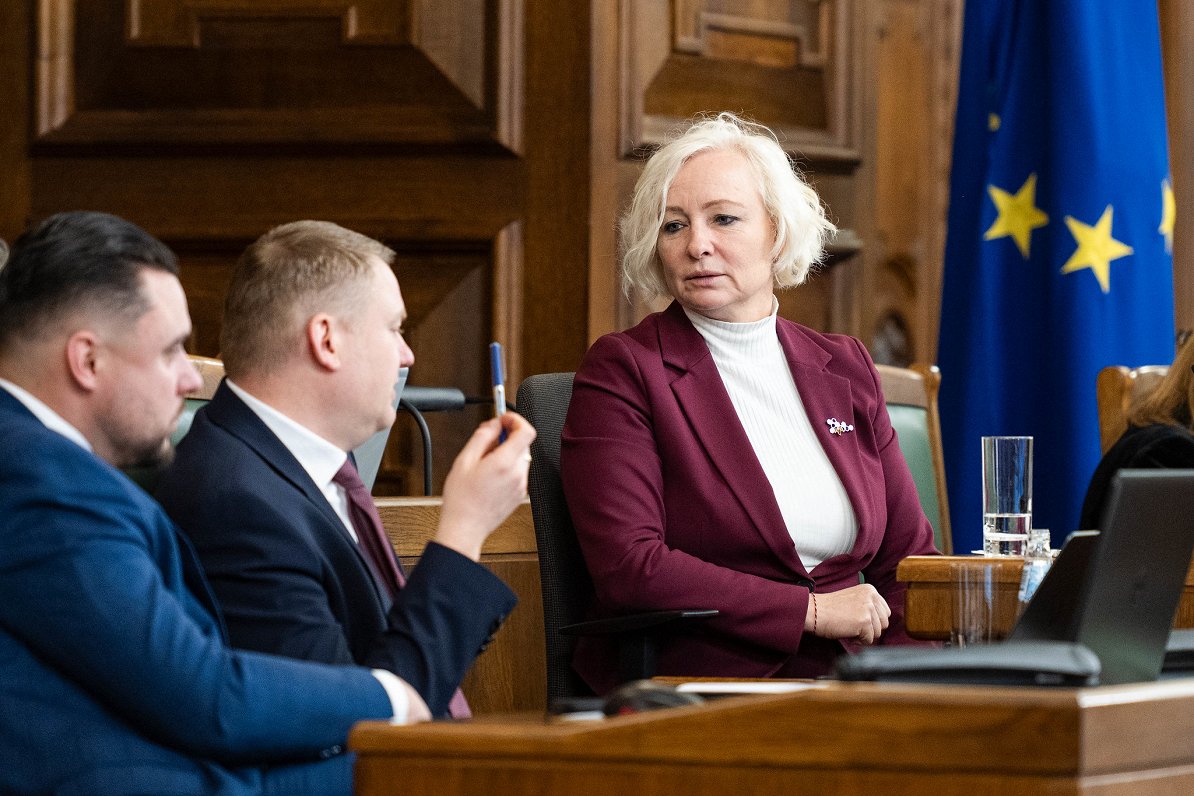
Latvia achieved 31% women in parliament representation in 2025, slightly below the EU average despite having the highest proportion of women to men in its population among European nations. However, the Baltic nation showed stronger performance in government positions, with women holding 36% of national government seats.
Nordic Countries Lead in Women in Parliament Representation
Finland topped the rankings with 46.0% female representatives in parliament, followed closely by Sweden at 44.8% and Denmark at 44.7%. These Nordic nations have consistently maintained leadership positions in gender equality metrics across various political and economic indicators.
In contrast, Cyprus recorded the lowest share at just 14.3%, with Hungary at 15.6% and Romania at 22.0%. The gap between the highest and lowest performing countries highlights the uneven progress toward gender parity in European legislative bodies.
Latvia Shows Dramatic Improvement Over Decade
Comparing 2015 to 2025 data, Latvia demonstrated the most remarkable growth among EU member states, increasing its share of female parliamentarians by 19.0 percentage points. Malta followed with a 14.8 point increase, while France and Czechia recorded gains above 10 percentage points at 10.9 and 10.6 points respectively.
Germany stood as the sole EU country to register a decline, dropping 3.5 percentage points in female parliamentary representation over the decade. The ministry has not confirmed specific factors contributing to this decrease.
Government Positions Show Different Patterns
Women held 31.9% of national government seats across the EU in 2025, marking a 4.2 percentage point increase from 2015. Finland achieved the highest share at 60.0%, while Sweden reached perfect parity at 50.0% and France approached balance with 48.6% female government members.
Additionally, Latvia’s government composition improved substantially from just 17% women in 2015 to 36% in 2025. Notably, both Latvia’s Prime Minister and Parliamentary speaker positions are currently held by women, demonstrating progress in senior leadership roles.
Meanwhile, Hungary reported zero women in its national government, while Romania and Czechia recorded minimal female representation at 10.5% and 11.8% respectively. These figures suggest that parliamentary gains do not automatically translate to proportional government representation.
Mixed Progress Across Member States
Finland recorded the largest government-level increase at 26.7 percentage points, followed by Lithuania with 20.4 points and Estonia with 17.5 points. However, six EU countries experienced decreases in female government representation over the decade.
Romania saw the steepest decline at 24.5 percentage points, with Slovenia dropping 7.7 points and Czechia falling 5.8 points. The Netherlands, Belgium, and Poland also registered modest decreases, according to the Eurostat report.
The European Union’s overall parliamentary performance surpasses that of the United States Congress, where women currently hold 28% of seats. This comparison indicates that European democratic institutions have made relatively stronger strides toward gender balance in legislative representation.
The trajectory of women’s political representation in EU member states will likely continue evolving through upcoming national elections and government formations. However, authorities have not confirmed specific targets or timelines for achieving gender parity across all member states.