

Silver tends to draw a certain type of investor psychology, which is distinct from that of gold. Purchasers of gold are typically patient and almost philosophical about their allocation, viewing it more as a long-held belief than a transaction. Gold holders seldom seem to be as agitated as silver buyers, who frequently keep a close eye on the price. Perhaps it’s because silver has a stronger swing. Perhaps this is due to silver’s unique position between precious metal and industrial commodity, which means that both factory orders and fear have an impact on it at the same time. For whatever reason, the year was interesting for anyone who owned SLV, the largest physically backed silver ETF in the world, the iShares Silver Trust.
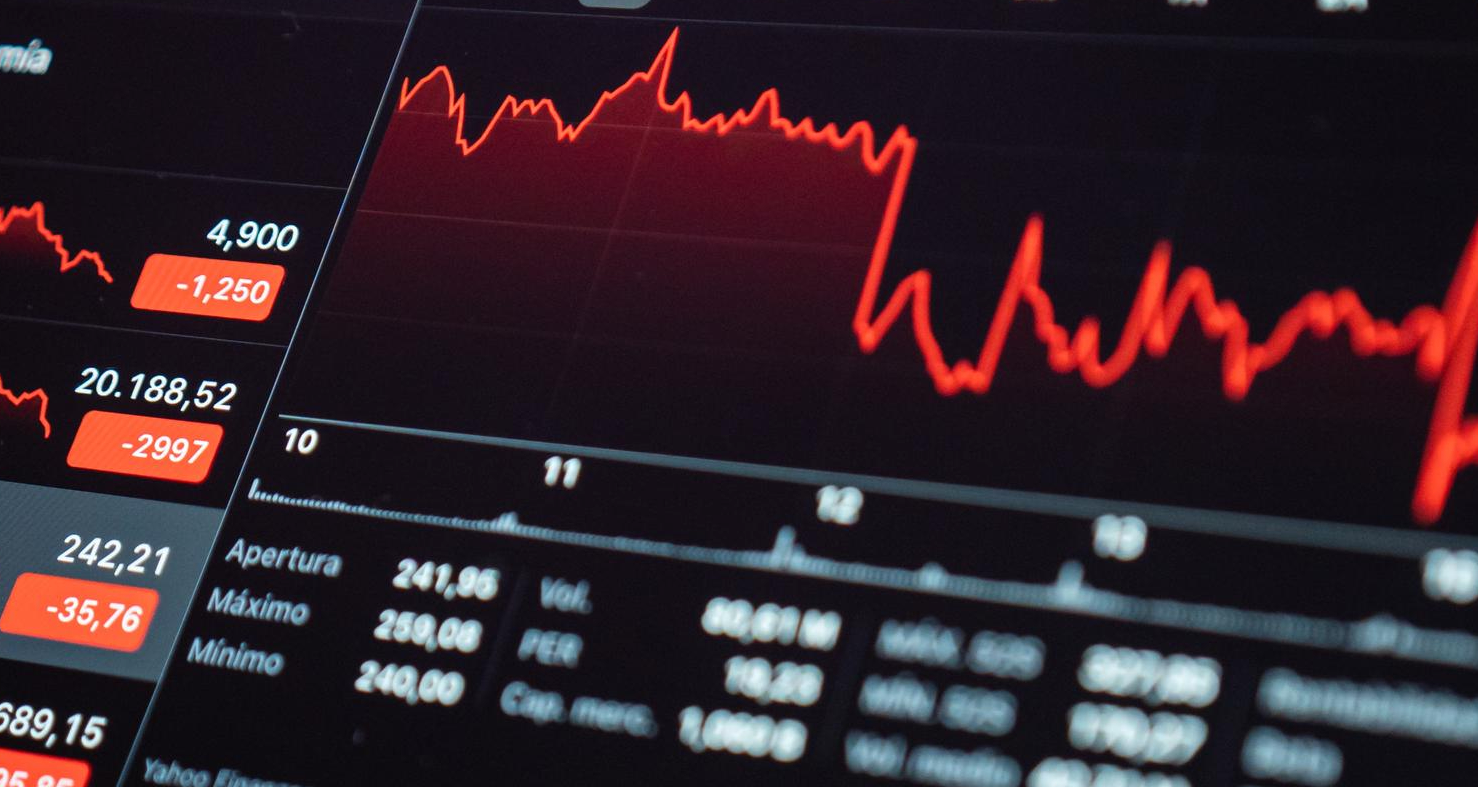
To say that this year has been interesting would be an understatement. SLV increased from $27.45 to $109.83 between April 2025 and January 2026. That’s a nearly 300% increase in less than ten months—a run that dwarfed gold and the majority of stocks, leaving casual observers to question whether they had overlooked something clear or if it was all a fever dream. The correction followed. Silver experienced what CNBC called its worst month in 15 years by late March 2026, having dropped by about 40% from its January peak. In just a few weeks, SLV shares fell from above $100 to the low $60s, losing much of the confidence that had grown during the surge.
Just viewed from two different perspectives, the reasons behind the run and the reversal are essentially the same. Due to the inflation-hedge narrative, the US-Iran conflict that intensified in late February 2026 caused oil prices to rise above $110 per barrel, which at first appeared to be a boon for silver. Silver gains from the same impulse that pushes gold higher during uncertain times: fears of stagflation tend to drive money toward hard assets. It worked for a while. As geopolitical tensions increased and institutional positioning in SLV significantly improved during the period, silver surged 7% in a single session on February 4.
| Category | Details |
|---|---|
| Fund Name | iShares Silver Trust |
| Ticker Symbol | SLV (NYSE Arca) |
| Issuer | BlackRock / iShares Delaware Trust Sponsor LLC |
| Launched | April 21, 2006 |
| Current Price (Apr 9, 2026) | ~$67.47 USD |
| Total Net Assets | ~$35.68 billion |
| Expense Ratio | 0.50% |
| 52-Week High / Low | $109.83 (Jan 29, 2026) / $27.45 (Apr 9, 2025) |
| 1-Year Return | +140.45% |
| YTD Return | +4.73% |
| Underlying Asset | Physical silver bullion (stored in London vaults) |
| Benchmark | LBMA Silver Price USD |
| Average Daily Volume | ~98.7 million shares (3-month avg) |
| Shares Outstanding | ~542.6 million |
| Holdings | 490,764,683 oz of physical silver (100% of assets) |
| Beta (5Y Monthly) | 1.00 |
| President & CEO (Sponsor) | Jay Jacobs (replaced Shannon Ghia, March 2026) |
| Reference Links | Yahoo Finance — SLV Quote / iShares Official SLV Page |
Then, in a way that silver is usually particularly susceptible to, the dynamics changed. In addition to raising concerns about inflation, rising oil prices made it difficult for the Federal Reserve to lower interest rates, which increased the value of the dollar and Treasury yields. Silver and other non-yielding assets lose appeal in that exact setting. As investors rotated into energy plays that were more directly benefiting from $110 crude and liquidated precious metals positions to cover losses elsewhere, the same conflict that had initially propelled silver higher began to work against it. On March 19, silver experienced what analysts called a “liquidity rupture”—a precipitous, technically driven decline that resembled forced selling rather than a fundamental reevaluation. During the volatility, CME increased its margin requirements, which sped up the unwind. It was unattractive.
It’s difficult to ignore how SLV’s actions during this time revealed a genuine aspect of silver’s nature as an asset. When someone refers to silver as a “safe haven,” they are only partially correct. When the stress is mostly related to currency depreciation, government debt, or generalized financial system anxiety, it tends to act as a safe haven. This type of fear lacks a natural escape route. However, silver can actually perform more like a risk asset when the stress is about energy prices squeezing growth while inflation stays high, selling off alongside stocks because anything that doesn’t pay a yield is hostile to the rising-rate environment that stagflation creates. It was instructive to see silver do precisely that in March 2026, while gold fared somewhat better.
There has been a partial but genuine recovery from the lows. Silver surged back toward $77 intraday on April 8th following the announcement of a two-week US-Iran ceasefire. SLV closed up 2.32% at $67.47, a notable increase but still far below January’s peak. As several analysts pointed out, the crucial question is whether the ceasefire lasts. Since there has been an exceptionally close correlation between silver prices and geopolitical headlines throughout this entire episode, SLV is currently more of a news-driven trade than a calm portfolio allocation. If you’re positioned properly, that’s not always a bad thing, but it’s important to be honest about what you really own.
Beyond the present conflict narrative, the structural case for silver is essentially unaltered. Over the course of several years, industrial demand—driven by solar panels, electric vehicles, and electronics manufacturing—is expanding in ways that will significantly alter the supply-demand equation for physical silver. Large amounts of silver are needed to meet the world’s solar installation goals, and unlike gold, silver is actually used in industrial processes rather than kept in vaults forever. Whether Iran and the US agree to a ceasefire next month has no bearing on the underlying demand story. Additionally, SLV continues to be the easiest way for the majority of investors to access that exposure without having to deal with the logistics and insurance costs of directly owning the metal, as it physically holds nearly 491 million ounces of silver in London vaults, tracked against the LBMA benchmark.
The tracking is accurate, the liquidity is remarkable with an average daily volume of about 99 million shares, and the annual expense ratio of 0.50% is reasonable for a commodity ETF. SLV does not provide you with a yield, a margin of safety, or volatility protection that can truly astound you. This is not a safe haven for anxious investors; rather, it is a tool for those who have decided that they want exposure to silver.
This article is not financial advice; it is merely meant to be informative. Prior to making any investment decisions, always seek the advice of a qualified financial advisor.