

Institutional investors frequently refer to a particular type of company as “misunderstood”—typically just before everyone else realizes it and the price doubles. MercadoLibre feels like one of those businesses, but it has been operating covertly for years on a 650 million-person continent where digital commerce is still in its infancy.
From its peak, the stock is down about 34%. A drawdown like that would indicate to most businesses that something is wrong, such as a company losing its advantage, a hostile market, or a management team running out of ideas. The more straightforward explanation for MercadoLibre is that the company is investing heavily in infrastructure development in some of the world’s most logistically challenging markets, and Wall Street is punishing it for putting tomorrow ahead of this quarter’s profits, as it frequently does. Interesting investment stories typically stem from this conflict between long-term positioning and short-term profit metrics.
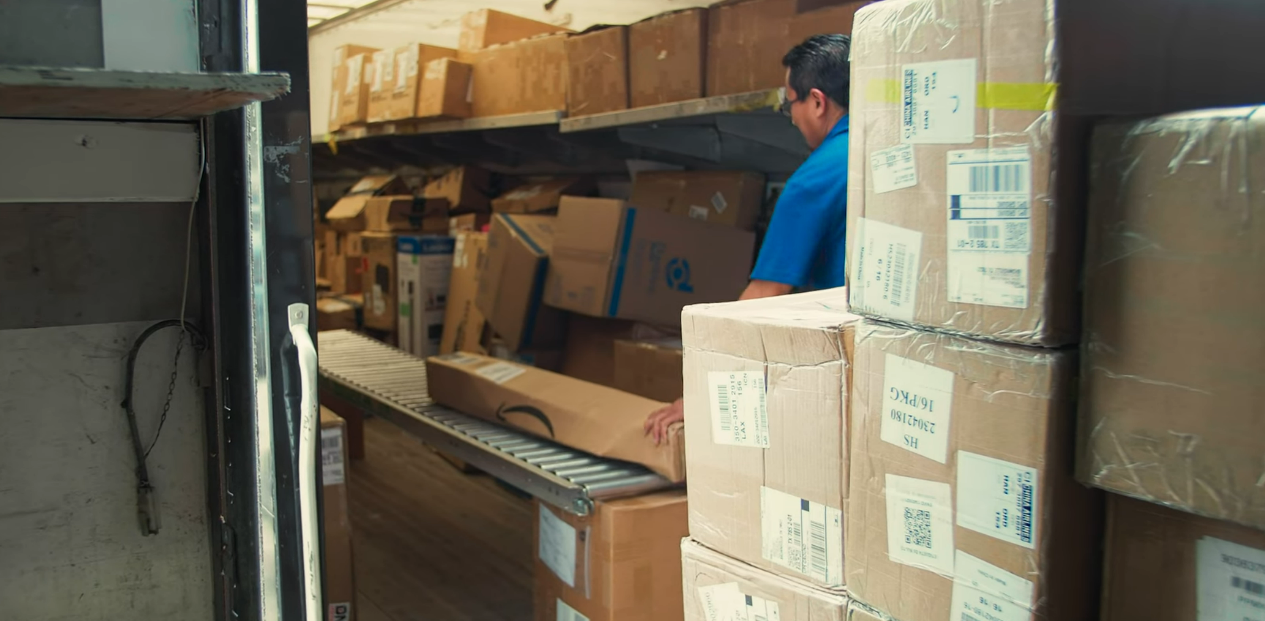
It’s worth taking a brief break from the numbers to consider what MercadoLibre actually does and where. Mercado Pago, the company’s fintech division, processed payments for individuals who had never used a credit card in Brazil, where internet infrastructure extends into favelas and mid-sized cities that foreign retailers have mostly ignored. MercadoLibre developed digital financial tools that provided people with a useful alternative in Argentina, where currency crises occur alarmingly frequently and consumer confidence in the banking system is low. This isn’t an online retailer that just so happened to include a payment option. This company chose to create a financial ecosystem around the unique economic chaos of Latin America.
| Category | Details |
|---|---|
| Company Name | MercadoLibre, Inc. |
| Ticker Symbol | MELI (NASDAQ) |
| Founded | 1999, Buenos Aires, Argentina |
| CEO | Marcos Galperin |
| Headquarters | Montevideo, Uruguay |
| Market Capitalization | ~$90 billion (April 2026) |
| Countries of Operation | 18 countries across Latin America |
| 2025 Revenue | ~$29 billion (up from $1B a decade ago) |
| Q4 2025 Revenue Growth | 47% in constant currency |
| Mercado Pago Monthly Active Users | 72 million (Q3 2025) |
| Credit Portfolio Growth (YoY) | 83% (Q3 2025) |
| Current Stock Price vs. Peak | Trading ~34% below its 52-week high |
| Reference Links | The Motley Fool — Amazon vs. MercadoLibre Analysis / Yahoo Finance — MercadoLibre MELI Stock Page |
Mercado Pago’s numbers are truly startling. The fintech had 72 million monthly active users as of the company’s third-quarter 2025 report, a 29% increase from the previous year. During that time, the credit portfolio—which consists of both consumer and merchant loans—grew by 83%. A pause is warranted for that final figure. Eighty-three percent annual growth in a lending business is a structural expansion rather than a marginal improvement, indicating that a sizable portion of the Latin American population is using MercadoLibre’s platform to obtain formal credit for what seems to be the first time. Although the company’s provision for dubious accounts did increase last year, it is still unclear how default rates will behave during a more difficult economic cycle. However, this is the cost of quickly expanding into underbanked markets, and most serious investors appear willing to price in this risk.
It is nearly impossible to avoid drawing comparisons to Amazon, and they are mutually beneficial. Amazon is a truly amazing company, dominating North American e-commerce, expanding its cloud division at a rate of 24% annually, and driving retail operating margins to an all-time high of 11.8%. In a more stable market, it is, by nearly all accounts, a better business. However, “better business” and “better investment” are two different things, and MercadoLibre’s 47% constant-currency revenue growth makes Amazon’s 12% seem like a company in a completely different stage of its life at roughly comparable earnings multiples. Amazon is a well-established company. MercadoLibre is still operational.
MercadoLibre’s trajectory reminds me of early Amazon, when Bezos continued to reinvest every dollar of profit into infrastructure and logistics while analysts questioned whether the margins would ever materialize. The analogy isn’t perfect because there are geopolitical and currency risks in Latin America, and a business that operates in 18 countries, including Argentina, is susceptible to the kind of macroeconomic volatility that can erase gains denominated in local currency. It is important to take those risks seriously. However, the majority of trustworthy estimates also indicate that Latin America is the world’s fastest-growing e-commerce market, which tends to overshadow the currency noise over time.
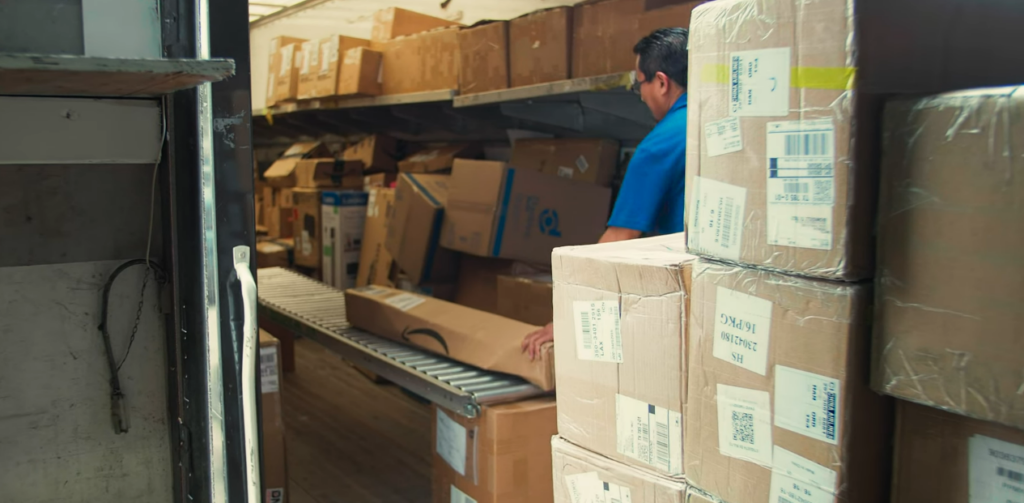
MercadoLibre’s ability to turn Latin America’s weaknesses into its moat is what makes the company truly intriguing at the moment, not just its growth rate. The infrastructure for logistics that foreign rivals found difficult to construct? In order to close that gap, MercadoLibre created Mercado Envios, turning a local inconvenience into a competitive advantage that Amazon is unable to import from its US operations. MercadoLibre mostly operates on its own terms throughout the rest of the continent; Amazon has only established a significant logistics presence in Brazil.
Investors have recently been alarmed by the operating margin’s compression to 10.1% in the fourth quarter of 2025. Your interpretation of that figure reveals a lot about your approach to investing. The compressed margins appear to be discipline if you think MercadoLibre is investing heavily now to secure users and market share before the competitive window closes. It appears to be an issue if you think the spending is a result of uncontrollable cost pressure. Although it’s worth keeping a close eye on, the evidence thus far—27 consecutive quarters of revenue growth above 30%—points toward the former reading.
It’s difficult to ignore the fact that a business expanding at this rate, with such a wide ecosystem, and trading at a discount to its most recent peak, seldom remains unnoticed for very long. The gap between a company’s performance and its price eventually closes due to market forces. There is currently a gap in MercadoLibre that quietly encourages patient investors.
This article is not financial advice; it is merely meant to be informative. Prior to making any investment decisions, always seek the advice of a qualified financial advisor.