

Early in 2024, a video went viral on Nigerian social media. It shows a woman filleting a fish in her kitchen, but she cuts it into nine pieces rather than the customary four or five. Her objective is to ensure that her family consumes fish at least twice a week, she explains in a matter-of-fact manner. There was no drama in the video. It wasn’t furious. For some reason, it was made worse by the fact that the woman was merely calculating with her food.
When you try to comprehend what Nigeria has been going through since President Bola Tinubu declared, almost casually, that the fuel subsidy was eliminated during his inauguration in May 2023, that image sticks with you. In that exact manner. In a nation that produces oil, a policy that had kept gas prices artificially low for decades was terminated in a single sentence. In a matter of days, the price of gasoline increased from ₦189 to ₦557, a 196 percent increase. It was just the start.
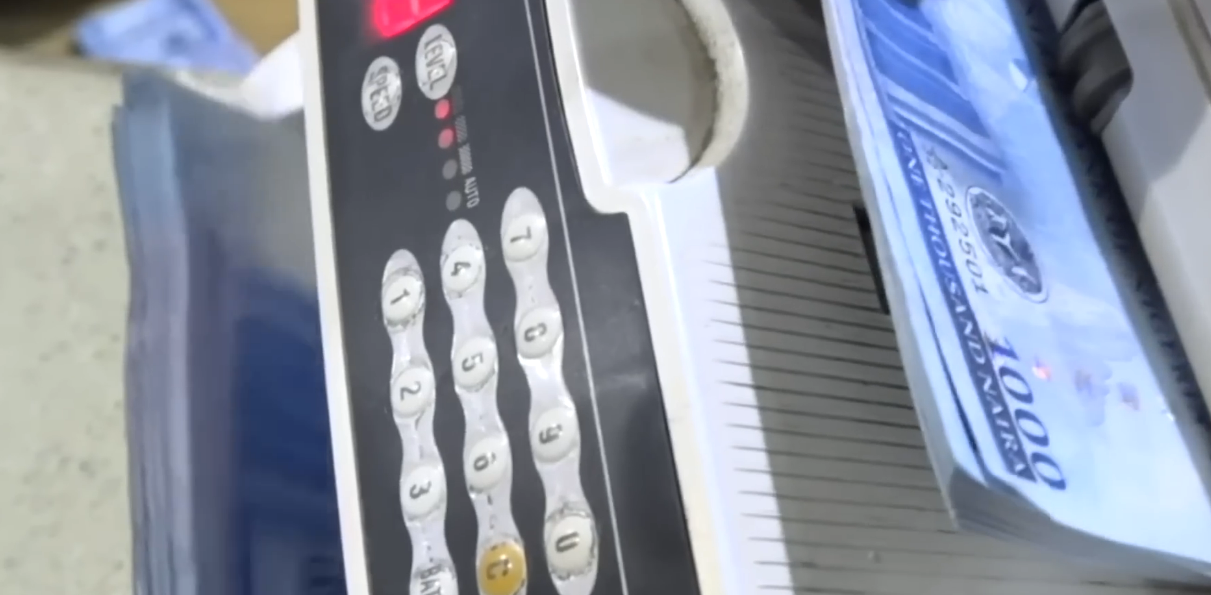
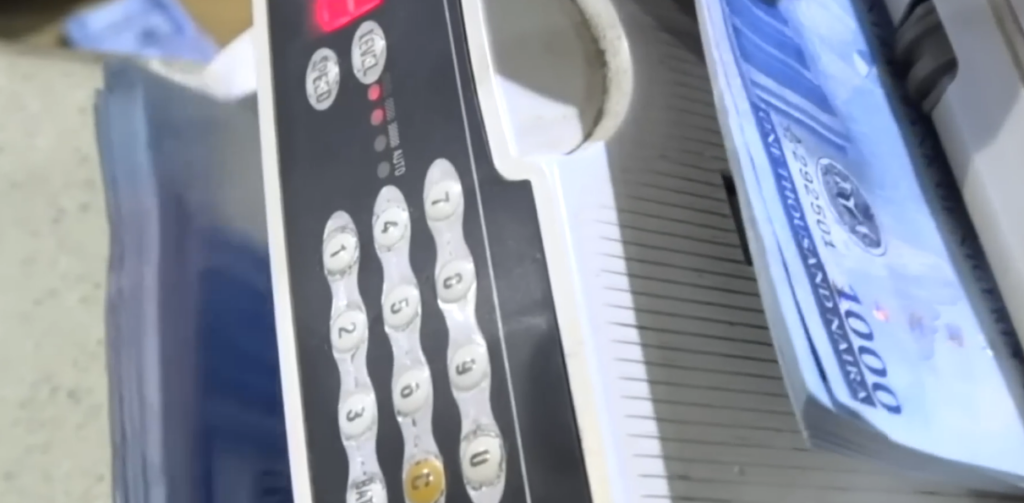
The government floated the naira on June 14, 2023, six weeks later. The currency was pegged to the US dollar, which resulted in parallel black markets where the actual rate of exchange was discreetly negotiated in alleyways and WhatsApp groups and required massive amounts of foreign reserves to maintain. The goal of floating the currency was to close that gap, draw in foreign capital, and establish credibility over the long run. The value of the naira dropped by 25% that day. The exchange rate changed from about ₦450 to ₦1,600 to the dollar by January 2024. The International Monetary Fund cheered. The World Bank cheered. The average Nigerian witnessed a real-time decline in their purchasing power.
| Field | Details |
|---|---|
| Country | Federal Republic of Nigeria |
| Capital | Abuja |
| Largest City | Lagos |
| Population | ~220 million (Africa’s most populous nation) |
| Currency | Nigerian Naira (₦) |
| Naira Rate (Pre-Crisis, May 2023) | ~₦450 to $1 USD |
| Naira Rate (January 2024) | ~₦1,600 to $1 USD |
| Naira Rate (Mid-2024 onward) | Hovering ₦1,400–₦1,500 to $1 USD |
| Annual Inflation Rate (Early 2024) | ~30% — highest in nearly three decades |
| Food Inflation | 35–40% |
| Minimum Monthly Wage | ₦30,000 (~$19 USD at crisis-era rates) |
| Average Monthly Income | ~₦71,185 |
| Petrol Price (Pre-Reform) | ₦189/litre |
| Petrol Price (Post-Reform) | ₦557/litre (+196% overnight) |
| Central Bank Interest Rate | Raised from 12% to 26.75% |
| Fertilizer Cost Increase | 6x rise over seven years |
| Cash Transfer to Poor Households | ₦25,000/month (~$16) to ~15 million households |
| President | Bola Ahmed Tinubu (took office May 2023) |
| Key Reform Events | Fuel subsidy removal (May 2023), Naira float (June 14, 2023) |
| BBC Report on Nigeria’s Crisis | Why Nigeria’s economy is in such a mess — BBC |
| Academic Analysis | Nigeria: botched economic reforms — The Conversation |
When you read about economic collapse from a distance, the numbers seem abstract. It sounds like a statistic when a currency loses 60 or 70 percent of its value. On the ground in Lagos, Kano, or Port Harcourt, it actually means that every imported product—which in Nigeria refers to the majority of goods, including food, medicine, and fuel—suddenly costs two or three times as much. One of the deep structural ironies of the whole situation is Nigeria’s heavy reliance on imports despite being an oil producer. The nation imports refined petroleum and pumps crude oil. Even fuel becomes a foreign luxury when the naira declines. Crop protection product prices have quadrupled or quintupled. Over the course of seven years, fertilizer costs increased sixfold, with a large amount of that increase occurring during this one crisis. In an attempt to curb inflation, the Central Bank of Nigeria increased interest rates from 12 percent to 26.75 percent for farmers who needed to borrow money to purchase inputs for the upcoming planting season. In late 2023, even government-backed agricultural credit lines were halted.
There’s a feeling that the Tinubu administration knew the theory behind what it was doing, but it didn’t fully consider how quickly the consequences would materialize. The IMF and World Bank had been advocating for the removal of the fuel subsidy for years, correctly claiming that it cost the nation an estimated ₦400 billion per month and disproportionately benefited wealthier citizens who owned cars. The reasoning was sound. However, Nigeria’s economy is not as resilient to shocks as more developed economies. Fuel costs contribute to transportation costs, which in turn contribute to food costs, which disproportionately affect the poorest households. Inflation has no effect on wages, especially the government-mandated minimum wage of ₦30,000 per month, which hasn’t changed since 2019. At exchange rates during the crisis, that minimum wage was approximately $19 per month. The government’s poverty relief program was providing people with a monthly cash transfer of ₦25,000. That is roughly sixteen dollars. At inflated prices, it hardly covers a week’s worth of groceries.
It’s difficult to distinguish between the real structural reforms and their disastrous sequencing as this develops. The naira float, the suspension of agricultural credit, Tinubu’s sudden removal of fuel subsidies, and the previous administration’s disastrous currency redesign all occurred within about a year of one another. Every choice had a logic of its own. When combined, they produced a compounding crisis that the system was ill-prepared to handle. Early in 2024, annual inflation reached almost 30%, the highest level in thirty years, and food inflation was even higher at 35 to 40%. Because the actual rice was too costly, people in some northern states started consuming the husks and broken grains from rice milling, which are typically saved for fish feed.
The structural case for these reforms might appear more compelling in five years. According to a 2017 study on a similar devaluation of the naira, agricultural industries with close supply chains, such as poultry, aquaculture, and palm oil, eventually became more competitive as the currency declined, drawing in investment and increasing exports. If the government stabilizes the naira, reinstates agricultural credit, and creates the market infrastructure required for small farmers to react to price signals rather than merely absorb them, the same dynamics might recur. These are important circumstances. They demand consistent, well-coordinated policy implementation from a government that, to put it mildly, has had a mixed recent performance in this regard.
However, the recovery is still far off and unevenly distributed for the time being. The IMF is still cautiously optimistic about the direction of reform, and the naira has somewhat stabilized, trading between ₦1,400 and ₦1,500 to the dollar. In the meantime, seven people were killed in an early 2024 crush at a food distribution point in Lagos while attempting to gather subsidized rice that the government had released from confiscated stockpiles. Soon after, the rice handouts were stopped. Seldom do the figures on a currency chart accurately depict what that moment was like. or what it was like to be in that line.