

Around 11 p.m. on a Tuesday, many people become aware that something has gone wrong. They are holding the phone. An hour ago, it was in their hands. No choice was made to pick it up; it simply materialized, as it always does, bearing the weight of unread emails, TikTok notifications, identical-looking Instagram Reels, and the subtle background hum of being reachable by anyone, anywhere, at any time. Some people put down their phones and turn in for the night. An increasing number of others began searching for a way out.
The term “dumb phone,” which refers to gadgets that do little more than make calls, text messages, and set alarms, has been simmering as a countercultural concept for years, but around 2023, things started to change. Sales of flip phones doubled in a matter of months for HMD, the company that relaunched Nokia. A Reddit group devoted to dumb phones grew steadily beyond anyone’s expectations. A group of high school students in New York known as the Luddite Club announced they were switching from iPhones to vintage flip phones. This announcement sparked a wave of coverage that was both genuinely surprised and amused. It wasn’t supposed to happen, which is why the story landed. They were teenagers. Instead of running away from new technology, teens should be the ones promoting it.
Then, during Milan Design Week in April 2024, Heineken and fashion retailer Bodega debuted a product they dubbed the Boring Phone. A flip phone with no internet and no features. Not a single app. No alerts. It produced what might be called a minor sensation, which is odd to say about a gadget whose main selling point is that it accomplishes very little. However, that was exactly the point. It was a statement to introduce a simple phone in front of a crowd that sets aesthetic standards for a living at one of the top design events in the world. The days of dumb phones were over. For a brief period, they were in style.
| Field | Details |
|---|---|
| Trend Name | Dumb Phone / Feature Phone Movement |
| Also Known As | Digital Minimalism, Boring Phone Movement, Neo-Luddism |
| Primary Demographics | Gen Z, young professionals, privacy-conscious users, parents |
| US Feature Phone Market Share | ~2% of handset market (Counterpoint Research, Aug 2023) |
| Projected US Feature Phone Sales (2023) | ~2.8 million units |
| Global Feature Phone Market Revenue | Projected $10.6 billion (Statista Market Insights) |
| Notable Dumb Phone Brands | Light Phone (New York), Punkt (Swiss), HMD/Nokia, CAT, Boring Phone (Heineken x Bodega) |
| Light Phone Price | $299 |
| Punkt Simplified Smartphone Price | $750 |
| Ghost Mode (Reprogrammed Pixel 6a) | $600 |
| HMD Flip Phone Sales Growth | Doubled by April 2023 |
| Key Drivers | Screen addiction, mental health, data privacy, nostalgia |
| Average US Daily Mobile Usage (2022) | 4.5+ hours |
| Key Cultural Moment | Boring Phone unveiled at Milan Design Week, April 2024 |
| Luddite Club | NYC schoolchildren who gave up iPhones for flip phones (Dec 2022) |
| BBC Feature on Dumb Phones | People want ‘dumbphones’. Will companies make them? — BBC |
| Academic Analysis | Gen Z goes retro — The Conversation |
Depending on who you ask, there are a wide range of reasons why people are reaching for these devices. It’s important for parents to prevent their kids from using social media without completely cutting off communication. Durability and simplicity are important for older users or those who work in physically demanding jobs like farming or construction. However, for a significant portion of young professionals, it’s more of a decision about mental health, made after too many nights spent scrolling and too many mornings that began with checking notifications before getting out of bed. Numerous studies have linked excessive smartphone use to anxiety, sleep disturbances, short attention spans, and what researchers refer to as a persistent inability to be present in physical space. People are spending so much time on their phones that they have begun to perceive the phone itself as the issue, according to a professor of consumer behavior at Baylor University.
It’s difficult to ignore the fact that the companies that control the hardware market have hardly encouraged this movement at all. Google, Apple, and Samsung have no financial incentive to encourage you to use your phone less. The software, the advertising ecosystem, the app stores, and the subscription services that operate on top of the hardware are where the real money is found, not the device itself. Major tech companies don’t want dumb phones to catch on because their entire revenue model depends on keeping you deeply, constantly engaged. Jose Briones, who gave up smartphones in 2019 and created an entire website to help people find alternatives, has been straightforward about this. Just 2% of US phones are feature phones. That’s not nearly enough to jeopardize anyone’s quarterly earnings report, but it is sufficient to represent millions of devices.
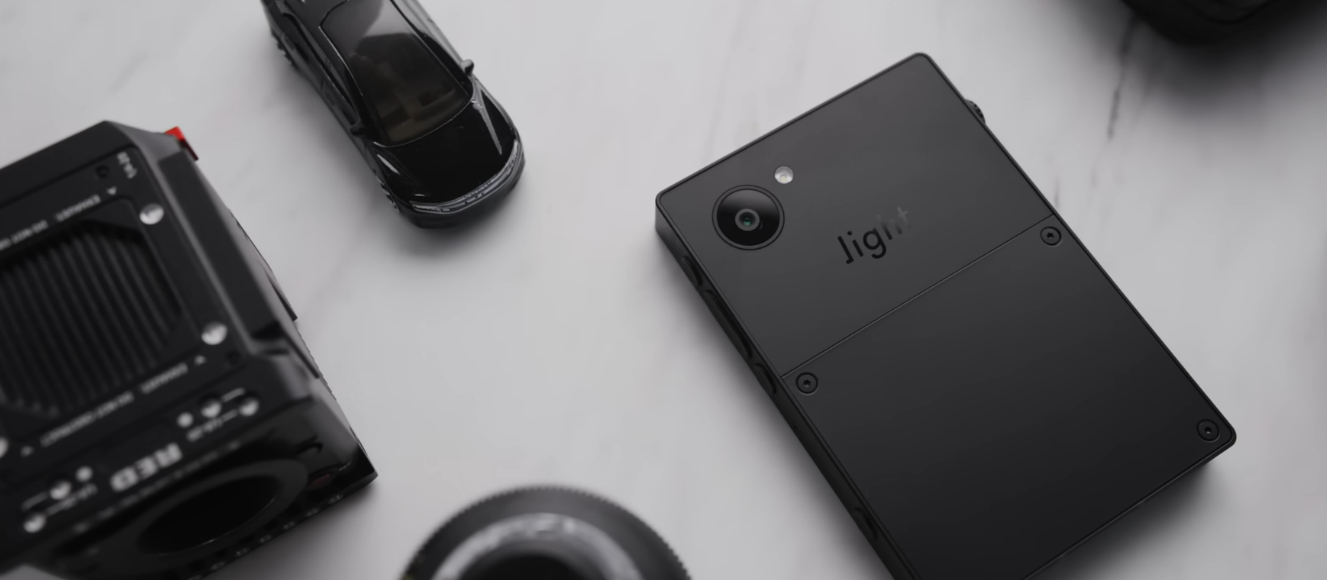
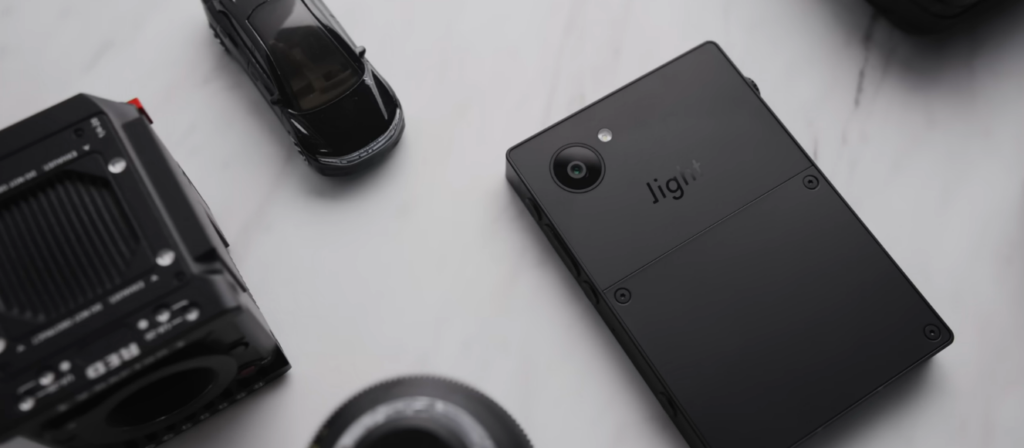
The manufacturers of these devices hold an odd place in the market. Light, a company based in New York, makes a phone with an e-ink screen that is limited to calling, texting, navigating, and streaming podcasts. The price is $299. In 2024, the Swiss company Punkt released a $750 minimalist phone. The paradox at the heart of the entire movement is that going low-tech has become, in some quarters, a luxury option. These are not inexpensive products for a gadget with fewer features than a 2003 Nokia. Bullitt, the company that produced the CAT flip phone, folded in 2024 just as one BBC journalist’s order was about to arrive. The economics are harsh for manufacturers, with narrow margins and a niche market. The demand for these phones exceeds the capacity of manufacturers to produce them profitably.
Observing all of this, there’s a sense that the trend of dumb phones reveals a particular aspect of the cultural reach of consumer technology. When something that only lets you make a phone call turns into a high-end product, and when a beer company can create real excitement by providing a phone without an internet browser, it indicates that the cumulative burden of constant connectivity has finally gotten to the point where people notice it pressing down. The majority of people might never completely give up using their smartphones because everything is so well-organized around them these days, including train tickets, doctor’s appointments, and school assignments. However, the movement isn’t really advocating for everyone to return to 2001. It poses a more straightforward query: are all of the features on your phone truly improving your quality of life?
A middle ground was the solution for Piers Garrett, a 27-year-old tech sales executive who tried a Light Phone before going back to his smartphone. He kept his phone, but he disabled social media, banking apps, and training apps. He now reads a book and has coffee in the morning. In the end, the dumb phone didn’t require any hardware. The intention behind it was what mattered to him.
A lot of this actually ends up there. Not a widespread rejection of smartphones, but a gradual, individual renegotiation with them, one user at a time, in kitchens and bedrooms all over the world, concluding that the phone doesn’t have to win every quiet moment it seeks.