

Economists were cautious but not completely pessimistic at the beginning of 2026. Most major economies had seen a decrease in inflation. Corporate profits were supported by investments in AI. For once, it appeared as though the Federal Reserve was threading a needle. Stabilization was discussed by forecasters. Words like resilience were used. Then March arrived.
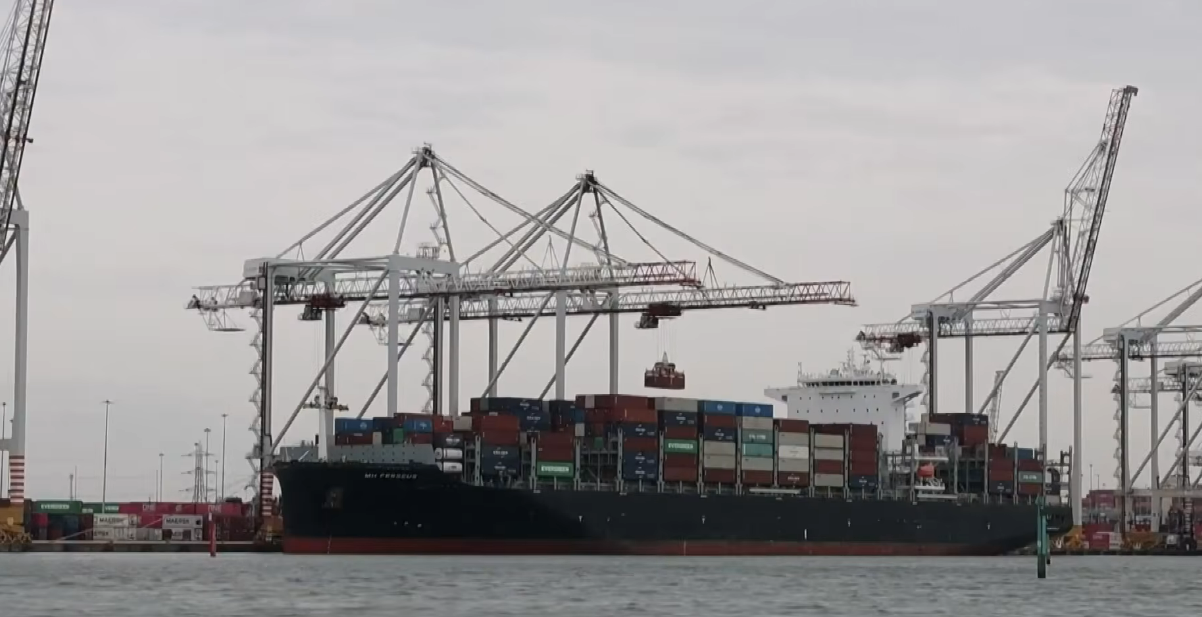
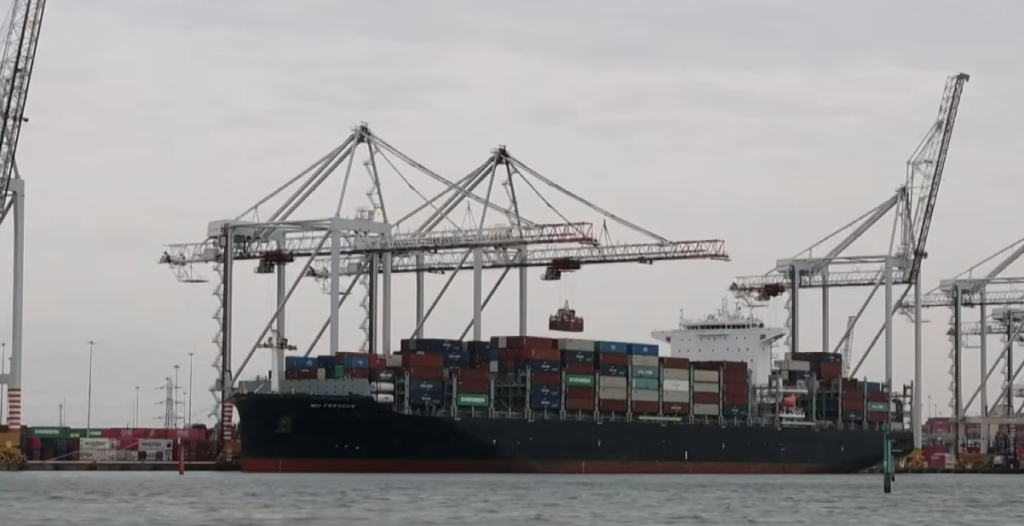
The closure of the Strait of Hormuz on March 4 in response to Israeli and American strikes on Iran is one of those events that, until you map what actually passes through that tiny waterway, seems abstract. about 25% of the world’s oil supply. Natural gas in liquid form. Container ships are transporting parts that Ohio, South Korea, and German factories have been waiting weeks to receive. Not only did Iran shut it down, but it also caused a tremor in every supply chain that had been silently relying on that route remaining open, which is pretty much all of them.
As is often the case when geography abruptly alters the rules, oil markets reacted quickly and negatively. The world’s stock markets followed. There was something distinctive about the selloff that swept through Asian exchanges in the days following the closure: it was the grinding, worn-out kind of selling that occurs when investors realize the issue won’t be resolved in a weekend, rather than the sharp panic of a single surprise. Indexes in Europe declined. Wall Street fell. Gains that had taken months to accumulate were returned by tech stocks, which had carried a large portion of the market’s optimism through the first few weeks of the year.
The fact that the Iran conflict came on top of an economy already struggling with Trump’s tariffs made it worse, and this is the part that is actually hard to untangle. Prior to the first strike, the WTO had already predicted slower growth in international trade. The OECD reported that the economy was doing better than anticipated, using the specific measured language that economists prefer. Reading between the lines, they were implying that it was surviving the tariffs rather than because everything had gone smoothly. There’s a distinction. A significant one.
Many analysts were unprepared for the new dimension Iran’s strategy brought to the conflict. Instead of focusing only on military conflict, it pursued what amounted to economic attrition, with 21 confirmed actions aimed at submerged fiber optic cables beneath the Red Sea and Persian Gulf. It turns out that the internet is more tangible than most people realize. It passes through chokepoints situated in disputed waters and cables on ocean floors. Financial transactions slow down, shipping coordination deteriorates, and the invisible architecture that sustains international trade begins to creak when those cables fail. While damaging a region’s internet infrastructure is not the same as sinking ships, the effects on the economy are similar.
| Category | Details |
|---|---|
| Event | 2026 Iran Conflict & Global Economic Fallout |
| Key Trigger | U.S. and Israeli military strikes on Iran; closure of the Strait of Hormuz (March 4, 2026) |
| Strait of Hormuz | Handles approximately 20% of the world’s oil supply; closure caused immediate oil price surge |
| Iran Disruption Strategy | 21 confirmed actions targeting undersea fiber optic cables in the Persian Gulf and Red Sea |
| GCC Impact | Systemic collapse of Gulf Cooperation Council economic model following Hormuz closure |
| U.S. Trade Policy | Ongoing Trump tariff regime; WTO projecting slower global trade growth in 2026 |
| Stock Markets | Global selloff extended across Asia, Europe, and the U.S. as Iran conflict escalated |
| Tech Sector | Significant rout in tech stocks compounding broader market instability |
| OECD Assessment | Economy holding better than expected, partly due to AI-related investment — but outlook darkening |
| Trump Statement | Said U.S. military will leave Iran in 2–3 weeks (as of early April 2026) |
| Reference Links | Fortune — Global Economy War Impact · Wikipedia — Economic Impact of 2026 Iran War |
It’s difficult to ignore the fact that the Gulf Cooperation Council was experiencing a systemic shock that it had not anticipated after spending years developing an economic model based on open energy corridors and comparatively stable relations with both the East and the West. The lounges at the Dubai airport, which are typically bustling with intercontinental deal-makers, were quieter. In one sense, oil revenues increased due to rising prices, but a more nuanced picture was revealed by the infrastructure disruptions and insurance costs eating away at shipping and energy operations.
Observing all of this at once begs the question, “How much stress can a global economy absorb at once?” for which there is no easy solution. Businesses were already being forced to renegotiate contracts and reroute supply chains due to tariffs. A war, a closed strait, a tech selloff, and sabotage of underwater cables are now added. Economists have a feeling that the margin for error has become extremely narrow, which is not panic but rather something akin to true uncertainty.
Early in April, Trump declared that the American military would withdraw from Iran in two to three weeks. A quick exit might, at least momentarily, ease some of the market’s anxiety. The cost of energy may decrease. The Strait may reopen. However, the tariff regime is not going away anytime soon, and the industrial disruptions already ingrained in Q1 won’t go away anytime soon. The OECD is doing a lot of heavy lifting right now against a backdrop that keeps getting heavier, but its cautious optimism, which is primarily driven by AI-related investment continuing to flow, may hold.
After years of escalating crises, 2026 was meant to be the year the world took a deep breath. It has been waiting for that moment for three months. Something messier and more difficult to model has taken the place of the stabilization that economists predicted at the beginning of January: a combination of military actions, political decisions, and market reactions that don’t follow straight lines and don’t react well to forecasts. Whether the world economy suffered is no longer the question. The question is whether the objects supporting it can sustain the damage long enough to stop it from spreading.