

Italy has been identified as one of the European countries experiencing the highest levels of political interference in the media, according to a new annual report on media freedom. The assessment was published by the Platform for the Safety of Journalists, an initiative sponsored by the Council of Europe, highlighting ongoing concerns about press freedom across the continent.
The report places Italy alongside ten other nations including Hungary, Malta, Turkey, Slovakia, Bosnia and Herzegovina, Croatia, Poland, Greece, Serbia, and Romania. These countries were singled out for exhibiting particularly troubling patterns of political influence over journalistic independence and media operations.
Critical Incidents Highlighting Media Interference in Italy
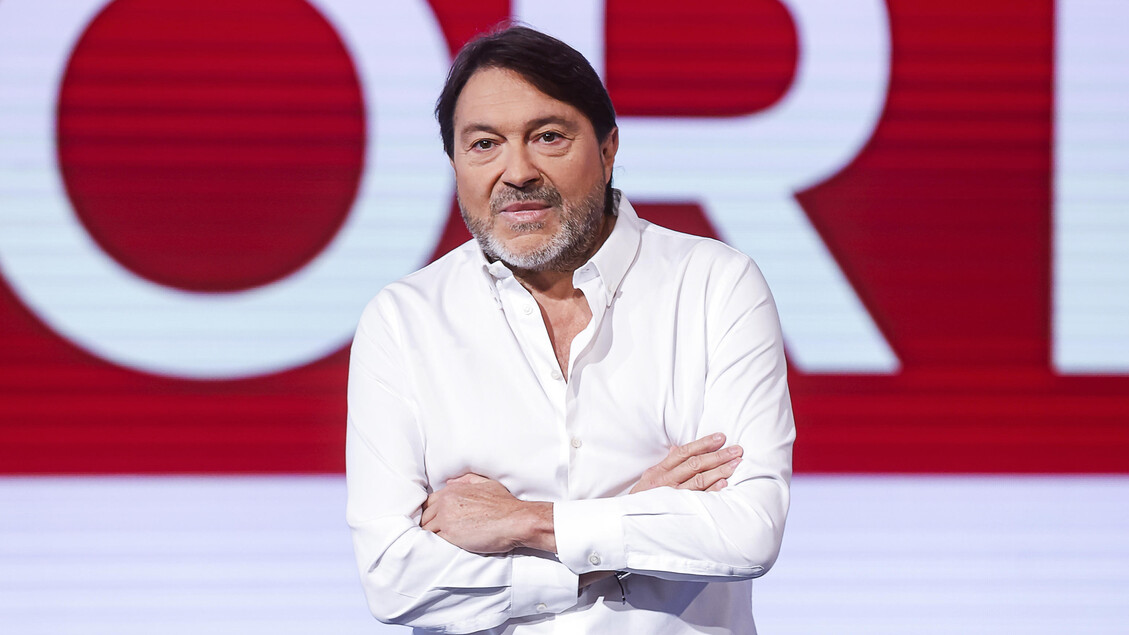
The Platform for the Safety of Journalists documented several specific cases that illustrate the challenges facing Italian media. Among the most serious incidents mentioned was a bomb attack targeting Sigfrido Ranucci, a journalist working for the left-wing division of state broadcaster Rai TV. This violent incident underscores the physical risks journalists face when reporting on sensitive political matters.
Additionally, the report referenced the Paragon case, which involved surveillance activities targeting left-wing reporters. According to the findings, this snooping incident raised significant concerns about privacy violations and the monitoring of journalists based on their political perspectives or editorial positions.
Dismissal Over Editorial Questions Raises Concerns
Another case highlighted in the report involved the termination of Gabriele Nunziati, a Brussels-based reporter for the small news outlet Agenzia Nova. Nunziati was reportedly dismissed for asking what his employers considered an inappropriate question about whether Israel might be expected to fund Gaza reconstruction if Russia faces similar expectations regarding Ukraine. The firing of a journalist for posing challenging questions represents a troubling example of editorial control and political sensitivity affecting employment decisions in Italian media.
These incidents collectively paint a picture of an environment where journalists face multiple pressures, ranging from physical threats to professional retaliation for their reporting choices. The inclusion of both violent attacks and employment-related consequences suggests that political interference in the media manifests through various channels in Italy.
European Context for Press Freedom Challenges
The Council of Europe-sponsored report places Italy’s media freedom challenges within a broader European context. The grouping of Italy with countries like Hungary and Poland, which have faced extensive criticism for democratic backsliding and media control, signals serious concerns about the state of press freedom in what are traditionally considered established democracies.
Meanwhile, the Platform for the Safety of Journalists serves as a monitoring mechanism designed to track threats, attacks, and pressures facing media professionals across Europe. By documenting specific cases of political interference in the media, the platform aims to create accountability and draw attention to erosion of press freedom standards.
However, the report’s findings raise questions about the mechanisms available to protect journalists from both violence and professional repercussions for their work. The variety of threats documented suggests that comprehensive protections require addressing multiple dimensions of media independence, from physical security to employment safeguards and protection from surveillance.
The Council of Europe and related monitoring organizations are expected to continue tracking these developments in Italy and other flagged countries. Whether Italian authorities will implement reforms to address the concerns raised in the report remains to be seen, as no immediate policy changes have been announced in response to these findings.