

You can learn very little about the real workings of the airline industry by strolling through any large airport at six in the morning. Business travelers stare into their phones, parents drag half-asleep children toward gates, lines wind past coffee shops, and somewhere a gate agent calls a final boarding for a flight that is most likely fully booked.
It all appears to be a booming industry from the outside. In a sense, the numbers line up. Underneath, the numbers also convey a different narrative.
| Global Airline Industry — 2026 Outlook at a Glance | Details |
|---|---|
| Source of forecast | International Air Transport Association (IATA) |
| Expected total net profit (2026) | $41 billion (up from $39.5 billion in 2025) |
| Net profit margin | 3.9% — unchanged from 2025 |
| Net profit per passenger | $7.90 |
| Total industry revenues | $1.053 trillion (up 4.5%) |
| Operating profit | $72.8 billion |
| Return on invested capital (ROIC) | 6.8% — still below the 8.2% cost of capital |
| Passenger numbers | 5.2 billion expected in 2026 |
| Average load factor | 83.8% — a new record high |
| Cargo volumes | 71.6 million tonnes |
| Director General quoted | Willie Walsh, IATA |
| Share of global economy supported | Nearly 4%, with 87 million jobs |
Global airlines are predicted by the International Air Transport Association to report a record $41 billion in net profit in 2026, up from $39.5 billion the previous year. Revenues are expected to reach $1.053 trillion, surpassing the trillion-dollar threshold. Beneath those headline numbers, however, is something that has been quietly troubling the industry for years: the profit per passenger is only $7.90, and the net margin remains at 3.9%, unchanged from 2025. Less than what Apple produces on a phone case, as Willie Walsh repeatedly reminds anyone who will listen.
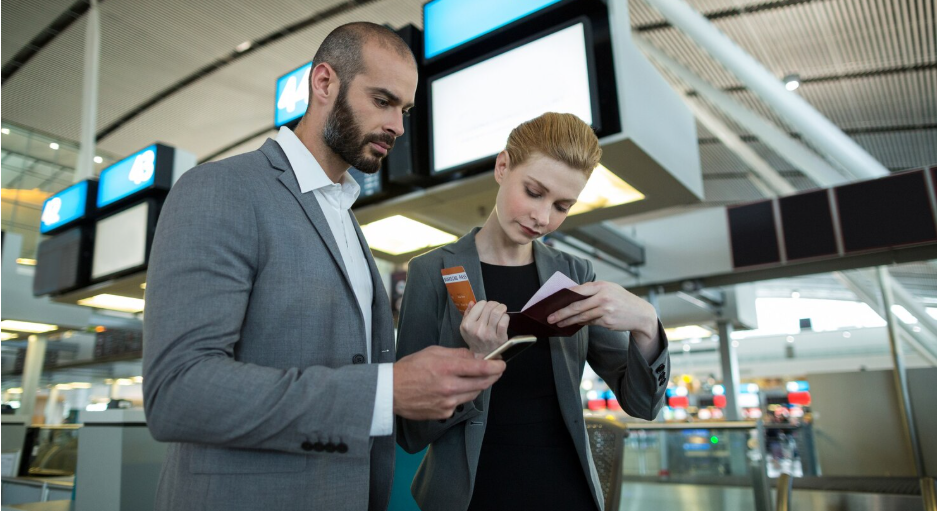
It is an odd paradox. With load factors predicted to reach 83.8% and passengers expected to surpass 5.2 billion for the first time, airplanes are busier than they have ever been. Walking through these packed terminals gives you the impression that someone must be wealthy somewhere. Most of the time, the airlines are not the ones making money.
The return on invested capital is still anticipated to land at 6.8%, comfortably below the 8.2% cost of capital, despite investors’ apparent belief that the math eventually works out. Put simply, despite appearing to be flourishing on paper, the industry as a whole destroys value.
None of this translates into a better deal for travelers. The cost of tickets hasn’t significantly decreased. Although yields are predicted to remain unchanged, capacity is limited and seats are in short supply due to the scarcity of new aircraft and the fact that the average aircraft in service is now older than 15 years. A $145 billion ancillary revenue stream, or nearly 14% of the industry’s total revenue, has been generated by bag fees, seat-selection fees, and other small fees that were once optional but now seem necessary. The number was closer to 12% prior to the pandemic. It’s difficult to ignore it.
There is actual pressure on the cost side. As airlines compete in a competitive job market and continue to struggle to match the productivity levels they had in 2019, labor now makes up the largest single line item at 28% of expenses. Although jet fuel prices haven’t changed much due to the crack spread, fuel is easing slightly, with crude predicted to fall to $62 per barrel. The cost picture is more crowded than the cabins when you include the growing cost of sustainable aviation fuel, which is estimated to be $4.5 billion in 2026 for less than 1% of total fuel use.
Walsh frequently argues that airlines have developed true resilience. The industry is at least stable after years of trade policy changes, supply chain delays, and geopolitical shocks. Surprisingly, cargo has been the unsung hero, transporting shipments of AI-related semiconductors and e-commerce volumes through a volatile trade environment. The extent to which air freight has changed due to tariffs and front-loaded orders is monitored by data from organizations such as the International Civil Aviation Organization.
Even so, you get the impression that something is wrong as you watch this develop. An industry that supports 87 million jobs and accounts for nearly 4% of the world economy shouldn’t be making the equivalent of pocket change per traveler. It’s unclear if the imbalance will be corrected through improved infrastructure, less stringent regulations, or a rebalancing with suppliers and manufacturers. It is evident that the airline won’t profit the next time a flight is full and the fare seems exorbitant. Somewhere along the value chain is where the money is. Not inside the cabin, though.