

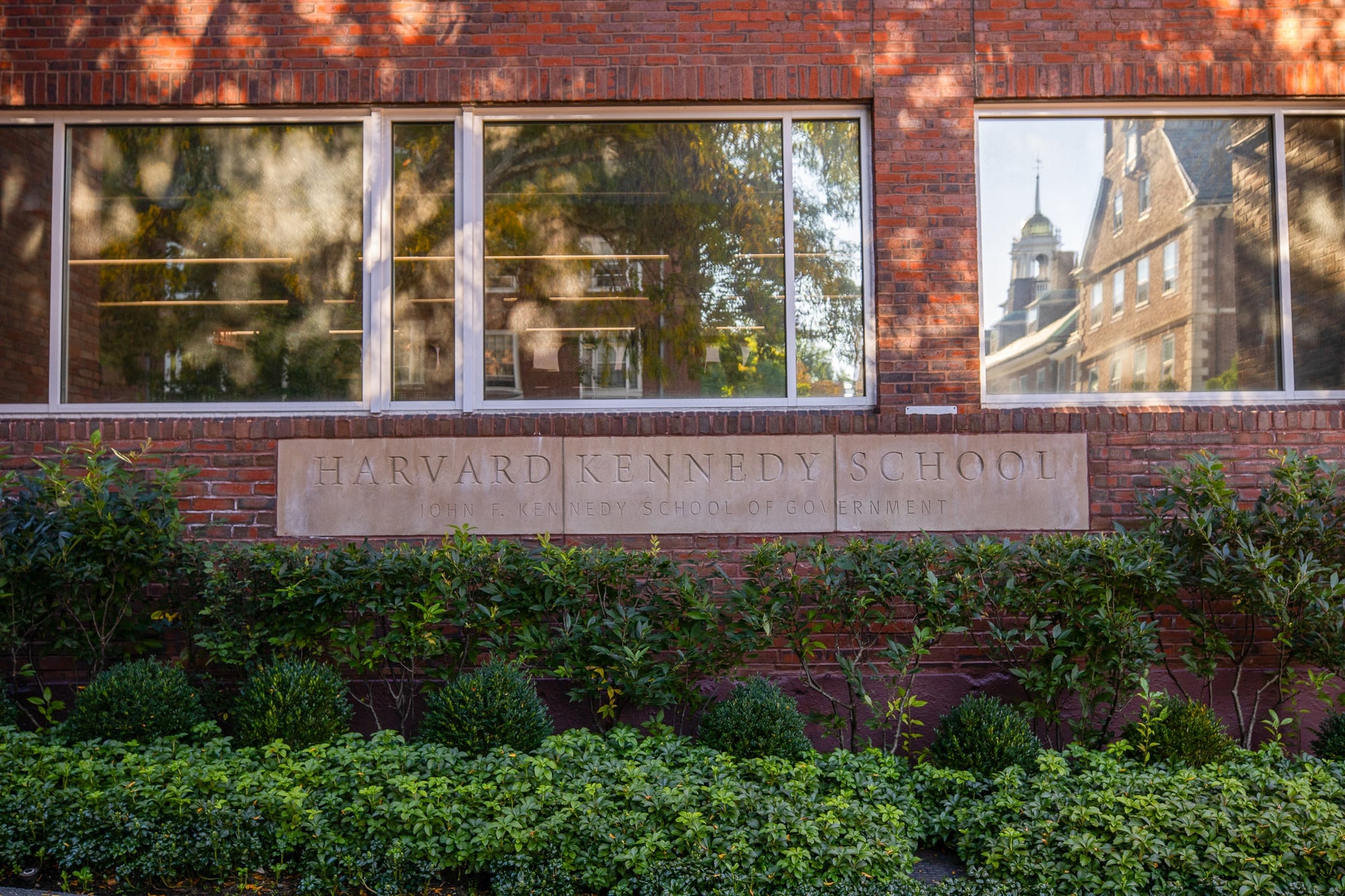
The Harvard Kennedy School has announced a contingency plan allowing accepted active-duty military students to defer enrollment for up to four years following a Pentagon directive that severs academic ties with Harvard. Dean Jeremy Weinstein outlined the measures in a Wednesday email to applicants, offering military students alternative pathways to pursue their graduate education despite the federal restrictions on Harvard enrollment.
The plan responds to a directive issued in early February by Secretary of Defense Pete Hegseth that blocks active-duty service members from enrolling in Harvard graduate programs beginning in the next academic year. Weinstein emphasized the school’s commitment to supporting military applicants as admissions decisions approach later this month, according to the email sent to prospective students.
Harvard Kennedy School Offers Extended Deferral Options
Under the contingency plan, admitted active-duty applicants unable to attend Harvard due to the Pentagon directive may defer their admission for up to four years. This extended deferral window represents a significant departure from the Kennedy School’s typical policy, which generally permits one-year deferrals only under limited circumstances.
Additionally, students who prefer not to defer may reroute their applications to four partner institutions for expedited review. These schools include The Harris School at the University of Chicago, The Fletcher School at Tufts University, The Lyndon B. Johnson School of Public Affairs at the University of Texas at Austin, and The Gerald R. Ford School at the University of Michigan.
Expedited Admissions Process at Partner Universities
According to Weinstein’s message, the review process at participating institutions would proceed on an expedited timeline without requiring significant additional work from applicants. Each partner school would conduct independent admissions and financial aid reviews according to their respective policies, providing military students with viable alternatives to Harvard Kennedy School programs.
However, spokespeople for the participating universities did not immediately respond to requests for comment about the arrangement. Spokespeople for other Harvard schools also have not confirmed whether similar contingency measures are under consideration for their active-duty military applicants.
Impact on Military-Affiliated Students
The Pentagon directive affects a notable portion of the Harvard Kennedy School community. Approximately 8 percent of current HKS students have a military affiliation, and more than 500 veterans, reservists, and active-duty service members have studied at the institution over the past decade.
Meanwhile, this marks the second time the Kennedy School has prepared contingency arrangements in response to federal directives. Last summer, after the White House targeted Harvard’s ability to host international students, HKS agreed to allow affected students to complete their degrees at the University of Toronto.
University’s Commitment to Military Education
Weinstein emphasized that the Kennedy School hopes these contingency plans will ultimately prove unnecessary. “While we hope to welcome active-duty military students to HKS next year, we are fully committed to making sure you get the education you deserve – even if you cannot get it at HKS,” he wrote in the email to applicants.
In contrast to standard admissions procedures, the expedited review process aims to minimize disruption for military applicants who have already invested time and effort in their Harvard applications. The arrangement demonstrates collaboration among leading public policy schools to support service members pursuing graduate education despite federal restrictions.
The situation remains fluid as admissions decisions are scheduled for release later this month. Whether active-duty service members will ultimately be permitted to enroll at Harvard depends on potential changes to the Pentagon directive before the next academic year begins.