

Oil prices have surged more than 17% in recent days following US-Israeli attacks on Iran, with crude oil futures topping $76 a barrel on Thursday. The sharp increase in oil prices has raised concerns about widespread economic impacts that extend far beyond the gas pump, affecting everyday household expenses across multiple categories.
According to the national average price data, gasoline costs have jumped to $3.25 per gallon for regular fuel, up from $2.98 just one week ago and $2.89 last month. This represents a significant increase that Americans are already experiencing at filling stations nationwide.
How Rising Oil Prices Impact Transportation Costs
The most immediate effect of higher oil costs appears in personal vehicle expenses, including gasoline, auto parts, and tires. However, transportation impacts extend considerably beyond individual car owners.
Airlines face higher operating costs due to more expensive airplane fuel, which they typically pass on to travelers through increased ticket prices. Similarly, shipping and trucking companies experiencing elevated fuel expenses often transfer these costs to consumers through higher product prices and delivery fees.
Additionally, ridesharing companies have implemented surcharges in recent years to help drivers offset higher fuel costs. This means even consumers without personal vehicles face increased transportation expenses when oil prices spike.
Food and Grocery Price Increases
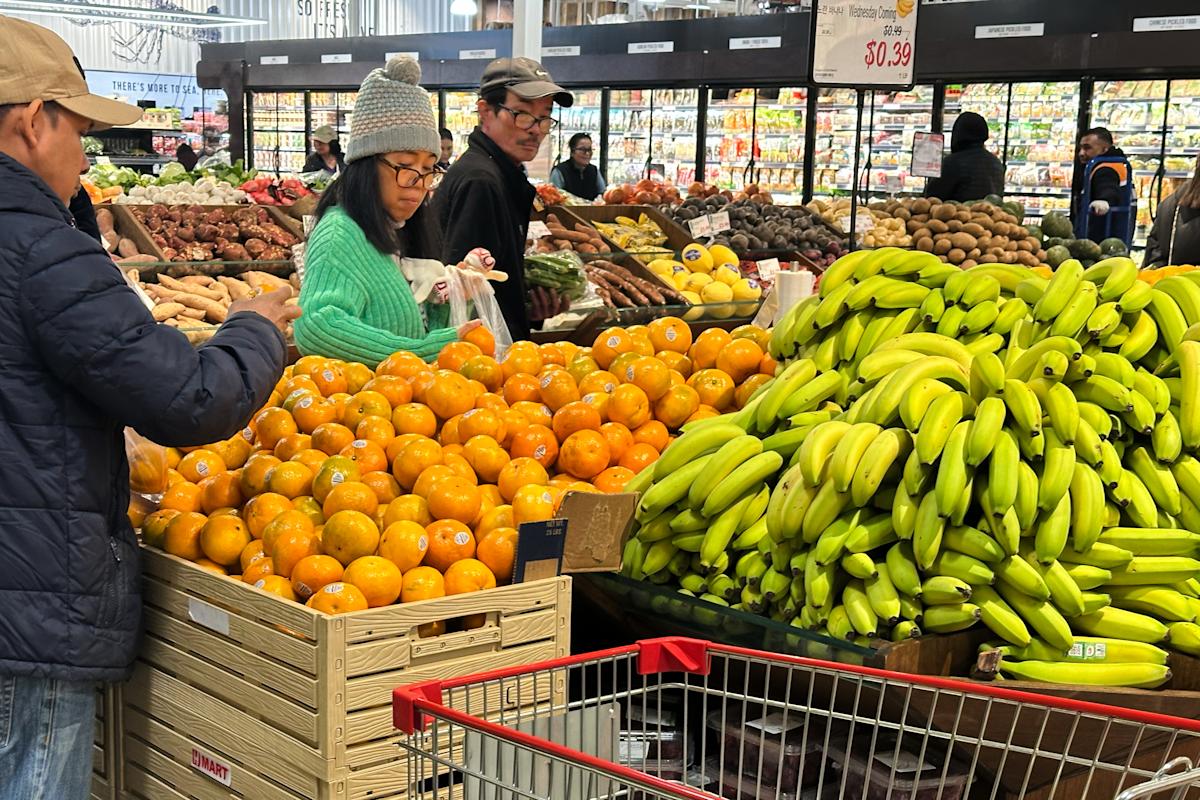
Oil price fluctuations have substantial indirect effects on food costs through multiple channels. Fuel powers the trucks that transport food from farms to grocery stores, but the connection runs deeper than simple logistics.
Farm and factory equipment rely heavily on oil-based fuel for operations. Meanwhile, petroleum serves as a key ingredient in many fertilizers and pesticides used in agricultural production, as well as the plastic packaging that protects food products.
According to the International Energy Agency, direct and indirect energy costs from oil and natural gas can account for up to 50% of total variable costs for food production in advanced economies like the United States. Consequently, these elevated production costs translate directly into higher prices at the grocery store.
Household Goods and Everyday Items Affected by Oil Prices
Consumers shopping for personal items, toiletries, cleaning products, and other household essentials will likely encounter higher prices if oil costs remain elevated. Items packaged in plastic face particular vulnerability to oil price increases since petroleum forms the basis for most plastic production.
Home heating oil and propane costs respond directly to crude oil price movements. Recent data from the US Energy Information Administration shows heating oil prices are up $0.160 per gallon from a week earlier and $0.406 compared to last year.
Clothing and fabric goods containing petroleum-derived materials like polyester and spandex may see modest price increases. Furthermore, plastic household goods including toys, kitchen utensils, food storage containers, and decorative items all depend on petroleum-based materials for manufacturing.
Widespread Economic Ripple Effects
In most cases, oil serves either as a vital ingredient in everyday products or plays a crucial role in shipping and manufacturing processes. The impacts of higher oil prices therefore extend across nearly every sector of consumer spending.
Energy costs influence product pricing through both direct ingredients and indirect manufacturing expenses. This creates a cascading effect where oil price spikes amplify throughout the economy, touching virtually every household budget category.
The duration and severity of the conflict in the Middle East will likely determine how long elevated oil prices persist. Authorities have not confirmed whether the current situation will escalate further or begin to stabilize, leaving consumers facing continued uncertainty about future price movements across multiple essential expense categories.