

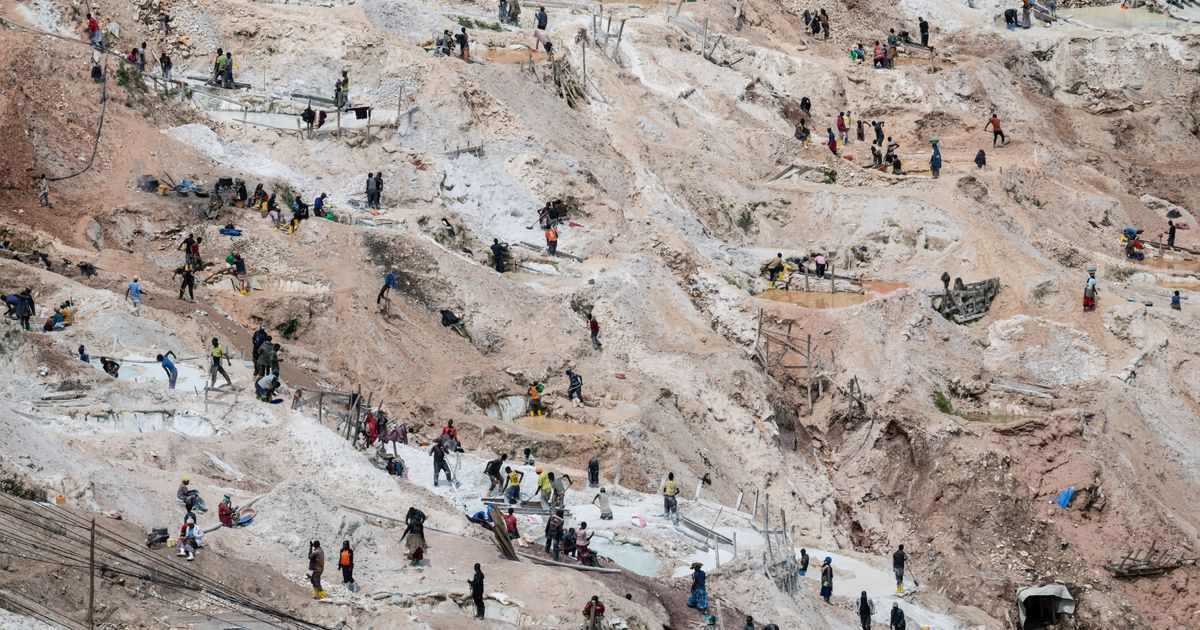
A mine collapse at a major coltan mining site in eastern Congo has resulted in at least 200 deaths, according to Congolese authorities, though the rebel group controlling the facility disputes the toll. The deadly incident occurred Tuesday at the Rubaya mines in eastern Democratic Republic of Congo, highlighting the dangerous conditions workers face in the country’s mineral-rich but conflict-torn territories.
Congo’s Ministry of Mines confirmed the collapse in a statement released Wednesday, identifying the site as being under control of the M23 rebel group. However, Fanny Kaj, a senior M23 official, contested the death toll and claimed the incident resulted from bombings rather than a structural collapse, stating only five people were killed.
Conflicting Accounts of the Coltan Mine Disaster
The stark discrepancy between official reports and rebel claims has created confusion about the true scale of the tragedy. Ibrahim Taluseke, a miner working at the site, stated he helped recover over 200 bodies from the area. Additionally, Taluseke alleged that mine owners were refusing to allow accurate death counts to be revealed, raising concerns about transparency at the facility.
The Rubaya mines sit at the center of eastern Congo’s mineral wealth, a region that has endured decades of violence involving government forces and various armed groups. The Rwanda-backed M23 rebel group’s recent resurgence has intensified the conflict, compounding an already severe humanitarian crisis affecting millions of displaced people.
Global Significance of Congo’s Coltan Production
Congo serves as a major supplier of coltan, a black metallic ore containing tantalum, which is essential for manufacturing smartphones, computers and aircraft engines. According to the U.S. Geological Survey, the country produced approximately 40 percent of the world’s coltan in 2023, with the Rubaya mines alone accounting for over 15 percent of global tantalum supply.
The M23 rebels seized control of Rubaya and its mines in May 2024, transforming the site into a significant revenue source. A United Nations report indicates the group has imposed taxes on coltan trade and transport, generating at least $800,000 monthly since taking control of the area.
Ongoing Humanitarian Crisis in Eastern Congo
Eastern Congo has experienced recurring crises for decades, with various conflicts creating one of the world’s largest humanitarian emergencies. More than 7 million people have been displaced throughout the region, including over 300,000 who have fled their homes since December alone.
Meanwhile, this incident follows a similar coltan mine collapse last month that reportedly killed over 200 people, underscoring the persistent dangers facing miners in these unregulated facilities. The frequency of such disasters raises questions about worker safety standards in rebel-controlled mining operations.
International Peace Efforts and Mineral Access
In June, the Congolese and Rwandan governments signed a U.S.-brokered peace agreement, and negotiations between rebels and Congo continue. However, fighting persists on multiple fronts across eastern Congo, resulting in ongoing civilian and military casualties despite diplomatic efforts.
The peace deal between Congo and Rwanda also provides the U.S. government and American companies with enhanced access to critical minerals from the region, linking conflict resolution to strategic resource interests.
Authorities have not announced plans for an independent investigation into the Rubaya mine collapse, and the true death toll remains uncertain given the conflicting accounts from government officials and rebel leadership. The outcome of ongoing peace negotiations may determine whether international monitors gain access to verify conditions at such mining sites in the future.