

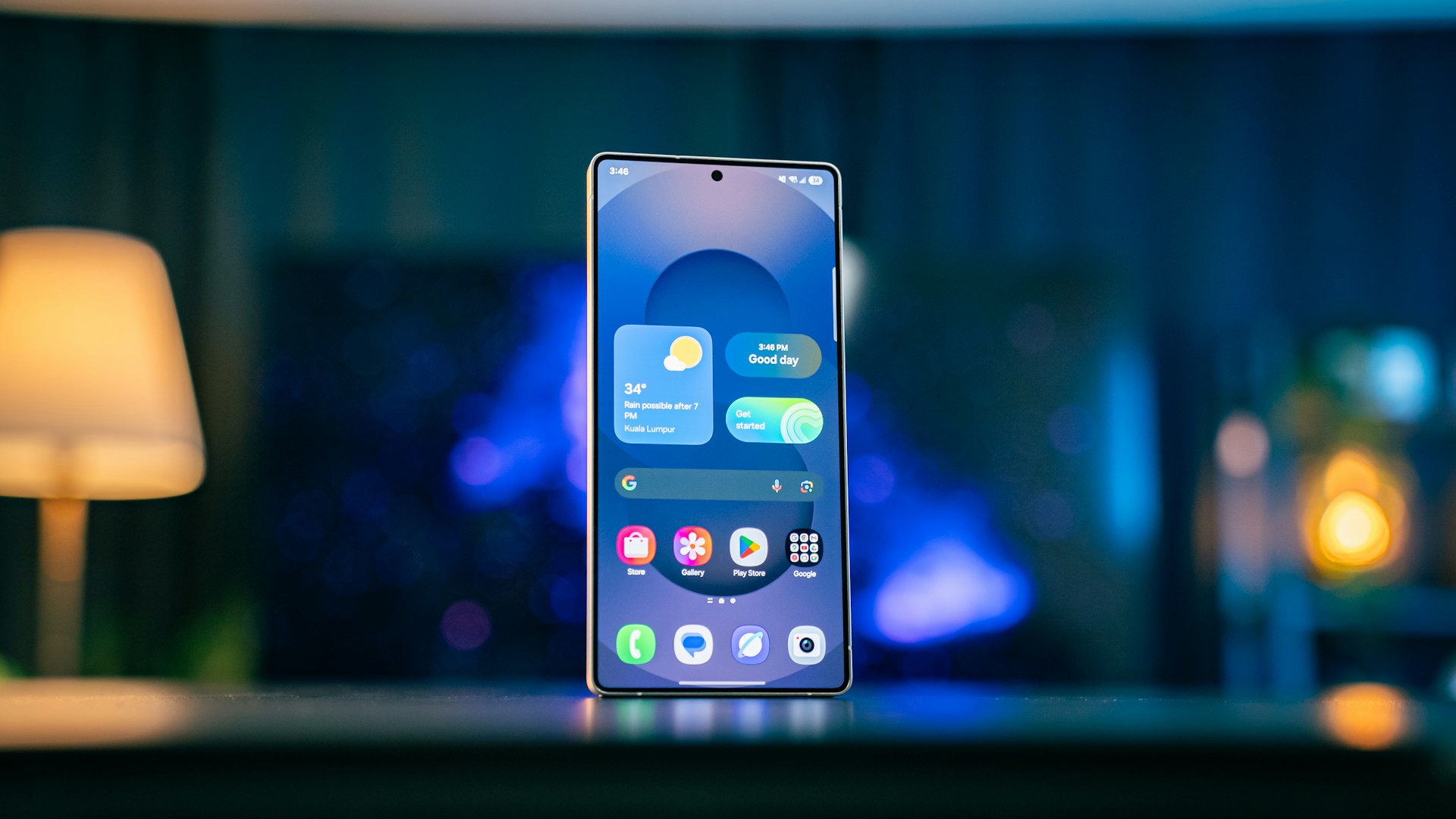
Samsung is front and center at Mobile World Congress 2026, putting its latest Galaxy S26 smartphones and Galaxy Buds4 squarely in the spotlight. The tech giant is positioning its connected ecosystem as a truly smart infrastructure, leaning heavily into what it calls its third generation of AI smartphones. Galaxy AI now operates seamlessly across multiple devices to create a unified, frictionless experience for users.
TM Roh, President and Head of Mobile eXperience at Samsung Electronics, made it clear that the company is looking well beyond current hardware limitations. He noted that the MWC showcase demonstrates not just where Galaxy AI is today, but exactly where the technology is headed next. From the newly minted Galaxy S26 lineup to emerging form factors like the Galaxy XR and the Galaxy TriFold, Roh emphasized that Samsung continues to push the boundaries of mobile technology with the consumer firmly in mind.
S26 Power and First-of-its-Kind Privacy
Getting into the specifics, the Galaxy S26 series represents Samsung’s most capable AI devices to date. Deep integration with various AI agents, including Google Gemini and Perplexity, allows the phones to handle everything from basic queries to highly complex daily tasks. Hardware performance is naturally a major focus here. The flagship Galaxy S26 Ultra packs the Snapdragon 8 Elite Gen 5 for Galaxy chipset, working alongside a completely redesigned vapor chamber to keep heavy background features running smoothly. Interestingly, the S26 Ultra also introduces the world’s first integrated Privacy Display on a smartphone. This clever hardware addition lets users physically shield their sensitive data from wandering eyes while working in public spaces.
Smarter Cameras and Agentic AI
Samsung certainly didn’t ignore the cameras. The S26 models feature streamlined, intuitive controls designed to keep users in the flow of shooting and editing. The Ultra model supposedly boasts the best camera system ever fitted to a Galaxy phone, delivering crystal-clear photos and incredibly sharp details even in poorly lit environments. Video recording gets a noticeable boost from improved Nightography, promising richer colors and significantly less grain. To keep shots steady, an updated Super Steady mode and a horizontal lock feature are baked right in.
On the editing side, Photo Assist and Creative Studio simplify post-processing immensely. You can tweak a photo with a quick voice command, or turn a rough sketch into a polished masterpiece using just a few verbal instructions without ever having to jump between different apps. Furthermore, the adaptive AI acts as a foundation for what Samsung is calling Agentic AI. Features like Now Nudge pop up with contextual suggestions, perhaps reminding you to share last week’s vacation photos with friends. The Now Brief widget organizes your day with timely alerts based on your schedule and context. Meanwhile, Circle to Search with Google now handles complex queries with multi-object recognition. Users also gain access to a heavily customized version of Bixby, which serves as a conversational partner for tweaking device settings.
Looking Ahead to the S27 Ultra
Even as the S26 series makes its official debut, rumors are already circulating about what Samsung has planned for next year. For a long time, fans have missed the rock-solid security of the old iris scanners, a feature that felt pulled straight from a spy movie before it was ultimately sacrificed in the pursuit of all-screen designs. According to recent industry leaks, a highly secure “glance to unlock” function is making a massive comeback on the Galaxy S27 Ultra, and it will do so without bringing back a bulky notch. Insiders suggest Samsung is developing a sophisticated new biometric system dubbed Polar ID.
Next-Level Biometric Security
Rather than relying on a standard front-facing camera that can easily be fooled by high-resolution photos, this technology takes device security to a completely new level. Polar ID reportedly uses a specialized sensor and a high-tech light engine to map your facial contours in extraordinary detail. It can quite literally “see” the difference between human skin and a mask. In fact, the system is designed to easily distinguish a living human face from a 3D replica made of synthetic tissue.
This scanner fits neatly inside a standard camera cutout, saving precious screen real estate while offering flagship-level security. It also works flawlessly in total darkness. You won’t have to worry about your display blinding you with maximum brightness just to unlock your phone in the middle of the night.