Why Cedar Key’s clams keep dying in summer, and what researchers are doing about it
Growers reported below-average survival and total crop losses after the summer of 2024. Five research projects are now funded, run from the biological station in the middle of town.
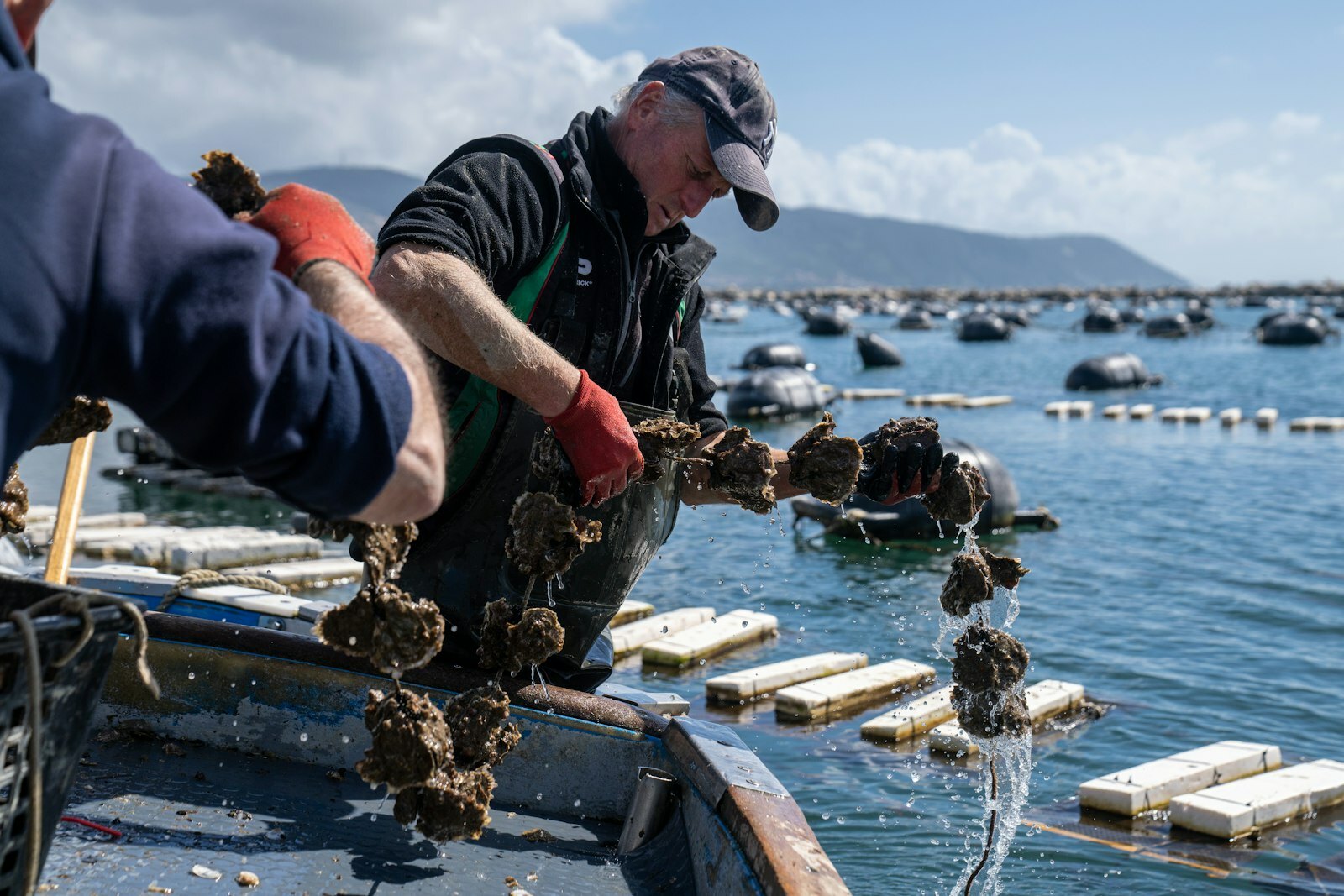
Cedar Key grows more than 90 per cent of Florida’s hard clams. When a summer goes badly here, it goes badly for the whole state’s production, and recent summers have gone badly.
Growers reported below-average survival, and in some cases the total loss of a crop, following prolonged hot summers. In response, University of Florida researchers set up a programme specifically to work out what is killing the clams.
What is being investigated
There is no single agreed cause, and the UF/IFAS programme is examining several at once:
- Water temperature through the hottest months
- Sediment organic matter, and the low-oxygen conditions or hydrogen sulphide toxicity that can follow
- Bacteria and disease organisms
- Other environmental stresses that arrive together in summer
The plural matters. These factors compound, warmer water holds less oxygen, and stressed animals are less able to resist disease, which is why isolating one cause has proved difficult.
The response
Following losses in the summer of 2024, UF/IFAS ran an industry survey of crop losses, a researchers’ roundtable and a workshop for growers. Five applied research projects were then funded through Florida Sea Grant.
The work is led by UF/IFAS Shellfish Aquaculture Extension, based at the Nature Coast Biological Station in Cedar Key, not a laboratory somewhere else studying the town from a distance, but a facility in it. Researchers named on the programme include Leslie Sturmer, Natalie Anderson, Shirley Baker, Susan Laramore and Todd Osborne.
Why a year matters so much here
Hard clams take about a year to grow from seed to market size. That timing is what makes a bad summer expensive: a grower does not lose a few weeks of income, they lose a year’s crop and the cost of the seed that went into it.
It also means recovery is slow. A grower who loses a crop cannot simply replant and sell in the autumn, the next harvest is a year out, and the bills continue in between.
What we have not established
Two things are worth being straight about.
First, we have not seen figures for how many clams were lost in 2024, or how many growers were affected. The programme describes an industry survey of crop losses, but the results are not published on the pages we could access.
Second, the mortality is described as occurring in “prolonged hot summers”, without a year-by-year breakdown. Whether losses are worsening, or whether bad years have always happened and are simply better documented now, is not something the public material settles.
We have asked UF/IFAS Shellfish Aquaculture Extension for the survey results and for the five funded projects’ titles and timelines. We will report what they say.
For growers
The Florida Shellfish Aquaculture Online Resource Guide is the programme’s public home and carries extension material, workshop notices and research updates. It is free and does not require an account.