

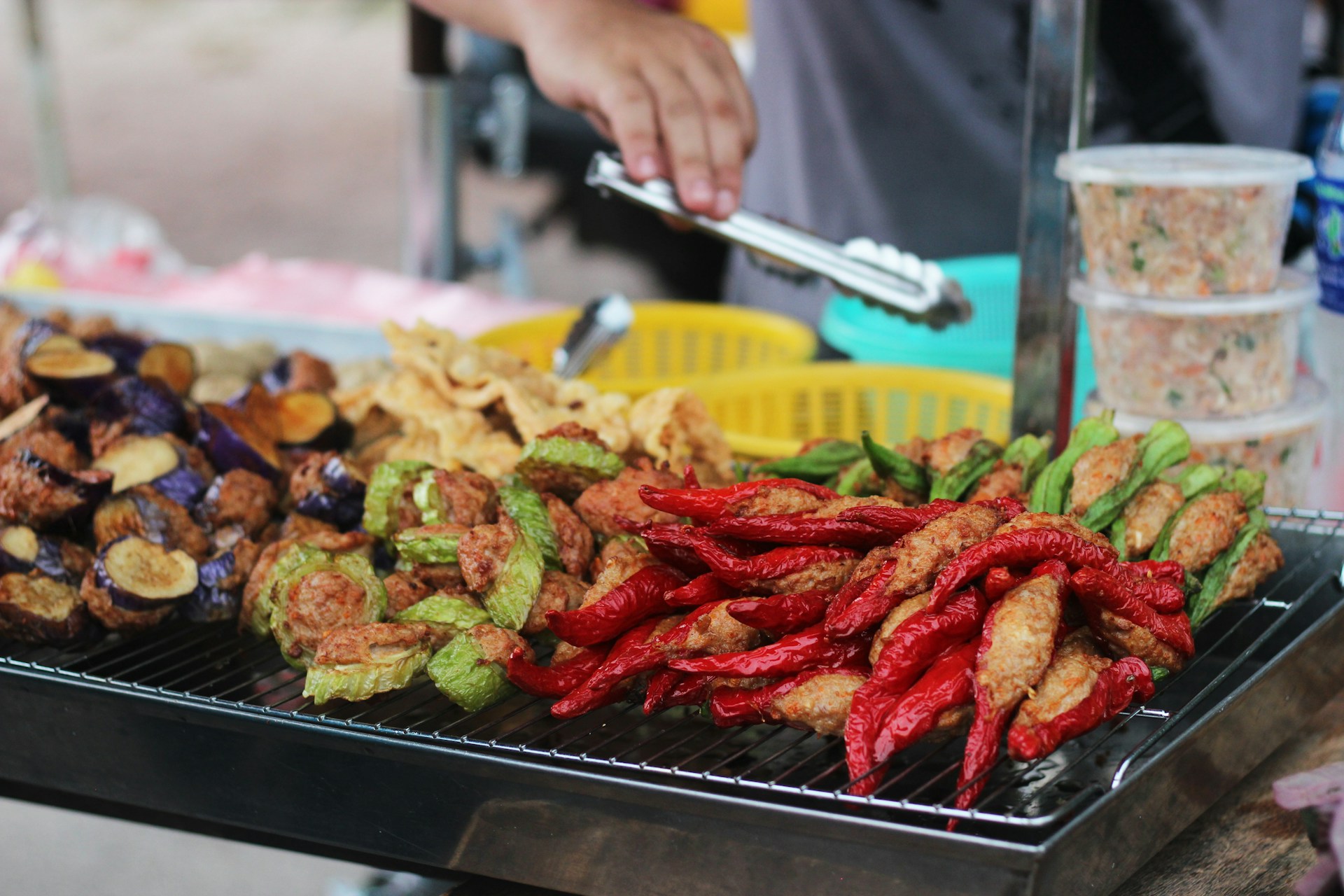
Malaysian food frequently flies under the radar on the global culinary stage, often overshadowed by its more famous neighbors. This lack of recognition, however, is a disservice to a cuisine that represents a complex, delicious amalgamation of Malay, Chinese, and Indian influences. While it shares some DNA with Indonesian fare—leading to heated regional debates over the true origins of certain dishes—visitors to the country quickly abandon historical arguments in favor of securing their next meal.
The culinary landscape is vast, but navigating it begins with understanding the staples that define the nation’s palate.
The Heavyweights of the Peninsula
Perhaps the most ubiquitous entry point is nasi lemak, widely regarded as Malaysia’s unofficial national dish. At its core, it is rice cooked in rich coconut milk, but the meal is defined by its accompaniments. Depending on the region, plates are piled high with hard-boiled eggs, peanuts, vegetables, seafood, and a spicy chili-based sambal. While traditionally a breakfast staple, it has evolved into a meal consumed at any hour.
Equally revered is rendang. Although often conflated with curry by the uninitiated, aficionados know better. This dish, typically beef, chicken, or lamb, is defined by a slow simmering process that allows the meat to absorb a rich paste of spices and coconut milk until the liquid completely evaporates. It is a festive favorite that demands patience and precision.
For those preferring poultry, ayam percik offers a distinct alternative to Western fast food. This barbecued chicken is slathered in a percik sauce—a spicy blend of chili, garlic, ginger, and coconut milk. The result packs a aromatic punch that easily outclasses standard fried chicken chains.
Street Food Staples
The influence of the Indian Muslim community is best represented by mee goreng mamak. This seemingly simple stir-fry combines yellow noodles with beef or chicken, shrimp, soy sauce, vegetables, and eggs. A toss of chili provides an essential kick. While recipes exist for home cooks, the dish is notoriously difficult to replicate outside of a gritty hawker stall, where high heat and seasoned woks create a specific, smoky flavor profile.
Another street favorite is roti john, a sandwich that leaves little room for subtlety. Ideally, it features minced meat and eggs grilled directly onto slim bread, which is then drowned in a confection of condiments ranging from mayonnaise and ketchup to barbecue and chili sauce.
Regional Specialties and Sweets
Traveling north to the state of Kelantan introduces diners to nasi kerabu. This dish is instantly recognizable by its aquamarine rice, dyed naturally using crushed telang flowers. It is typically served with bean sprouts, fried coconut, and budu, a pungent fermented fish sauce. In keeping with local tradition, it is a meal best enjoyed by eating with one’s hands.
On the sweeter side of the spectrum is apam balik, a pancake-style snack that folds an omelet-like batter over a filling of sugar, peanuts, and corn. For smaller bites, vendors sell kuih, a broad category of Malay-style pastries. These soft, sugary morsels come in a kaleidoscope of colors and are known to sell out before sunset.
East Malaysian Gems
While Peninsular Malaysia offers these well-known classics, the cuisine of East Malaysia—specifically Sarawak—offers a distinct culinary vernacular often hidden in plain sight. Food explorers constantly scour local coffee shops and hawker centers for these unique regional dishes, looking beyond standard offerings like kolo mee.
One such discovery is Tracy’s Sarawak Kitchen, a stall located near the Aljunied area. Run by a Sarawak native who transitioned from the construction industry to the culinary world, the stall highlights specific dishes that showcase the earthy and savory profiles of Borneo.
Unique Sarawakian Flavors
A standout at such establishments is the Money Cai Longevity Noodle. For those averse to vegetables, this dish can be intimidating, as the mee sua (wheat vermicelli) is stir-fried with eggs and mani cai (sweet leaf), infusing the noodles with natural chlorophyll and a distinct green hue. However, the dish is grounded by a generous scattering of golden pork lard, which provides a fragrant umami crunch that complements the herbal notes of the greens.
Another regional specialty is Tomato Kuey Teow. This dish often arrives looking like a “flaming red oasis,” with flat rice noodles submerged in a vibrant tomato-based gravy. Topped with prawns and sliced spring onions, the sauce conceals the noodles beneath, creating a savory, tangy experience that differs significantly from the soy-heavy noodle dishes found elsewhere in the region.